


16 Habits to Help You Be Healthier in 2025

Are you ready to start your journey to health? These 16 habits will help you be healthier in 2025.
It doesn’t have to mean changing everything about your life to build healthy habits. The key is to make small, lasting changes that build up over time. But there is so much advice out there that it can be hard to know where to begin.
Does this sound familiar? You’re not the only one. People have a hard time sticking to healthier habits because they try to change too much at once. They have unrealistic goals, try fad diets that don’t work, or sign up for intense workout plans that don’t last. It’s a frustrating cycle that can make you less motivated.
But you can still live a healthy life without going to extremes. The best way to do this is to focus on simple, achievable habits that fit right into your daily life.
You can slowly build up momentum and make lasting changes by making small changes to your routine.
Picture waking up full of energy, eating healthy meals, and moving in ways that make you happy.
Imagine a life where taking care of yourself is a top priority, not an afterthought. That’s what regular healthy habits can do.
I’m going to tell you about 16 easy habits that will help you start living a healthy life. These aren’t strict rules or big changes; they’re just small, doable things that can have a big effect over time.
One habit at a time will help you feel your best.
First thing in the morning, drink up.
Your body needs water after 7 to 8 hours of sleep. That’s why it’s so important to drink water first thing in the morning. It’s like waking up your cells and getting rid of all the junk.
Imagine this: you get out of bed, walk to the kitchen, and drink a big glass of water at room temperature. You could add a little lemon to give it a little extra kick. You feel more awake and energized right away, ready to take on the day.
Drinking water throughout the morning also helps with those hunger pangs that are really just thirst in disguise.
Tip: Keep a full water bottle on your nightstand so you don’t have to think about it. Trust me, your body will thank you.
Find Time to Move
Make sure to include some physical activity in your daily life, even if it’s just a 10-minute walk around the block. The most important thing is to pick an activity you enjoy, like dancing, hiking, or biking.
As you get stronger, slowly increase the length and intensity of your workouts. Begin with small, doable amounts of time and build up from there.
It’s important to be consistent, not to go all out from the start.
Try to make moving around a part of your day that you can’t skip, like brushing your teeth. Your body and mind will feel better.
Put whole foods first
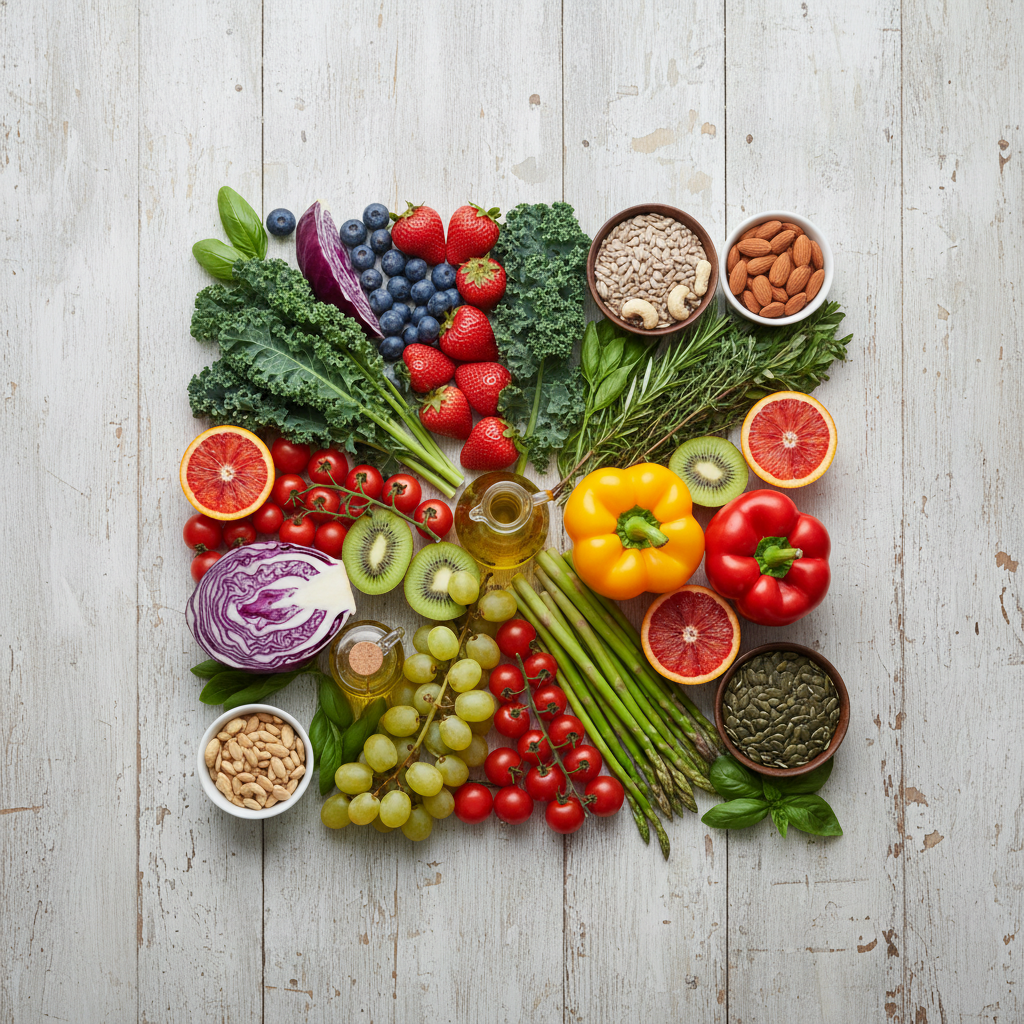
Put mostly whole foods on your plate, like colorful fruits and vegetables, lean proteins, and healthy fats. Think about whole grains, nuts and seeds, unprocessed meats, and fresh fruits and vegetables. These foods are full of nutrients and give your body the energy it needs to thrive.
Focus on real, healthy foods instead of processed ones to keep them out of your diet.
To begin, make small changes, such as choosing whole grain bread instead of white bread or eating carrot sticks instead of chips.
Those small changes will add up to a healthier, more balanced diet over time. It’s important to remember that progress is more important than perfection.
Eat with awareness
Mindful eating means paying attention to your body’s hunger signals and enjoying your food without any distractions. It’s not the same as eating a meal in front of the TV or computer.
To eat mindfully, first turn off your screens and sit down at the table. Take a second to enjoy the colors, smells, and textures of your food. After that, take your time eating and chew each bite well.
Pay attention to how the flavors change and how your hunger changes. Eating mindfully helps you have a better relationship with food and makes meals much more enjoyable.
Walk It Out After Eating
You know that feeling you get after a big meal when your body says, “It’s time to sleep!” Yes, we’ve all been there. But here’s a tip: instead, go for a short walk.
Honestly, a 10- to 15-minute walk makes a big difference. It helps you digest food, keeps your blood sugar stable, and gives you a quick boost of energy. You don’t need to power walk; just walk at a slow pace and breathe in some fresh air.
It doesn’t have to happen after every meal. Start with one a day, like after dinner. To make it more fun, get a family member, friend, or pet.
Some good things to look for are:
- Less brain fog and slumps after meals
- Better digestion (goodbye, bloating)
- More steady energy all day long
- Chance to get in some extra steps
That walk after dinner will soon become the routine you want. Try it out and see how it feels.
Sleep a Lot
One of the best things you can do for your health is to get enough good sleep. Try to get 7 to 9 hours of sleep each night, and make a bedtime routine that tells your body it’s time to relax.
Set a regular sleep schedule by going to bed and waking up at about the same times every day.
Make a relaxing routine before bed, like reading a book or taking a warm bath.
To get the best sleep, make sure your bedroom is cool, dark, and quiet.
Before bed, limit your screen time because the blue light can mess with your body’s natural sleep patterns.
Putting sleep first helps everything from your immune system to your mental health to how much energy you have every day. Don’t cheat yourself out of this important habit.
Get up and move around.
It’s important to take breaks to move around if you work at a desk or sit a lot. Long periods of sitting have been linked to a number of health problems, including back pain, poor circulation, and a higher risk of chronic diseases.
Set a timer to remind you to get up and stretch every hour.
Do some desk stretches, take a quick walk around the office, or do some squats.
Use a standing desk if possible, or swap your chair for an exercise ball to engage your core.
And anytime you can, sneak in extra movement, like taking the stairs instead of the elevator or parking farther away. Those little actions add up over the course of a day.
Practice Gratitude
Cultivating a gratitude practice is a simple yet profound way to boost your overall well-being. It shifts your focus to the positive aspects of life, no matter how big or small.
Each day, take a few minutes to reflect on what you’re thankful for. It could be as basic as a hot cup of coffee or as significant as a supportive partner.
Write it down in a gratitude journal, share with a friend, or simply make a mental note. Over time, you’ll train your brain to seek out the good, even in challenging times.
Gratitude has been linked to improved mood, stronger relationships, better sleep, and a host of other benefits. Try it out and see how your point of view changes.
Meal Prep for Success
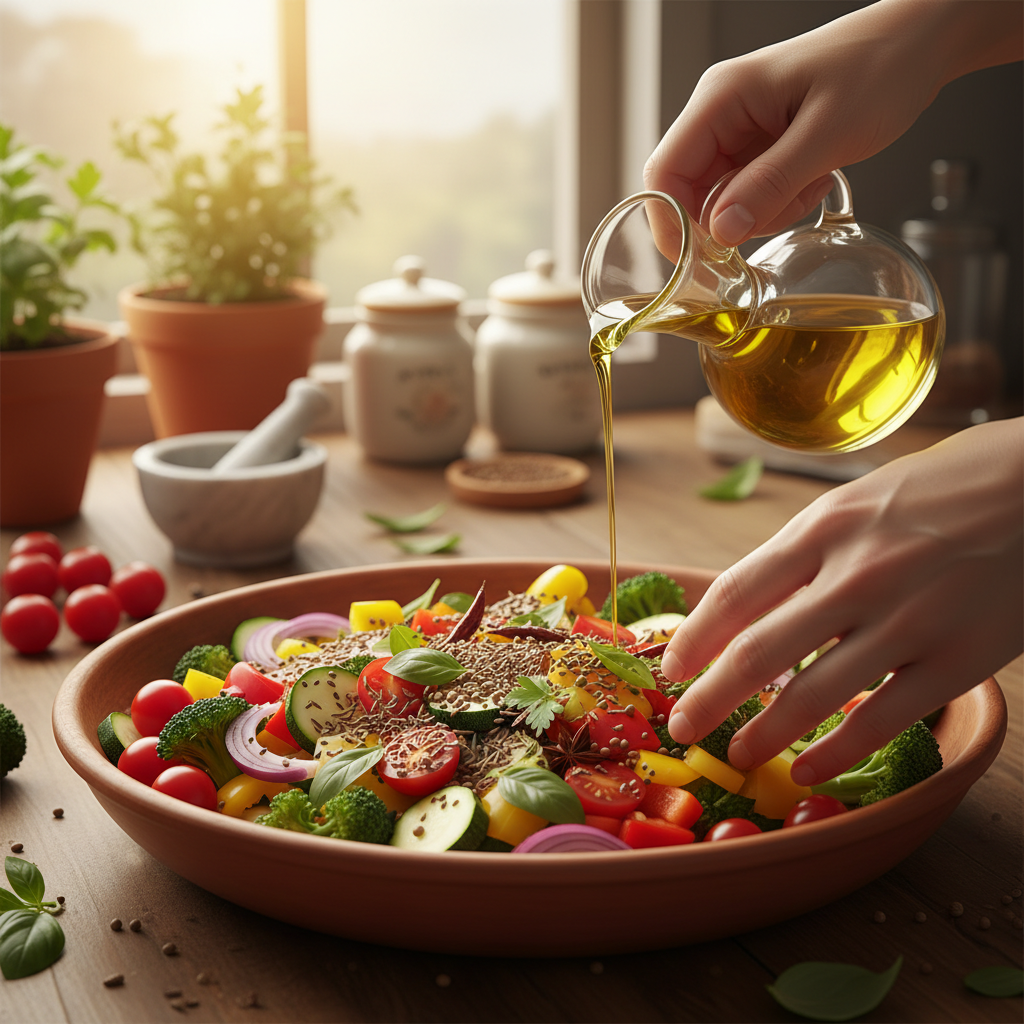
To eat well, you need to think ahead a little. Set aside time every week to prepare meals. It makes a big difference.
Set aside a few hours on the weekend to go grocery shopping and make a big batch of staples.
Chop up some vegetables, cook some grains like quinoa or brown rice, roast a sheet pan of protein, and make a big pot of chili or soup.
Put everything into containers so you can grab and go all week long.
Having nutritious meals and snacks prepped and ready takes the guesswork out of eating well.
You’ll be way less likely to resort to takeout or vending machine fare when you have a fridge full of wholesome options at your fingertips.
Find Stress-Relief Strategies
Chronic stress can take a serious toll on your physical and mental health. That’s why it’s essential to have some go-to stress relief strategies in your toolbox.
Different methods work for different people, so experiment to find what clicks for you. Some proven techniques include deep breathing exercises, meditation, journaling, getting out in nature, or chatting with a supportive friend.
The key is to make these practices a regular part of your routine, not just something you turn to when stress levels skyrocket.
Aim to do at least one stress-reducing activity per day, even if it’s just for a few minutes. Over time, you’ll build resilience and be better equipped to handle life’s curveballs.
Make Self-Care Non-Negotiable
Self-care is often the first thing to go when life gets hectic, but it’s essential for preventing burnout and maintaining your well-being. It’s about nourishing yourself physically, mentally, and emotionally.
Self-care looks different for everyone, but the key is to make it a non-negotiable part of your routine. Block off time each day for activities that recharge you, whether that’s reading a book, soaking in a bath, hitting the yoga mat, or pursuing a hobby.
Treat these self-care practices as sacred appointments with yourself. They’re just as important as any other obligation. Remember, you can’t pour from an empty cup. Prioritizing your own needs allows you to show up fully in all areas of life.
Get in Sync with a Consistent Sleep Schedule
Real talk: an irregular sleep schedule can mess with your energy, mood, and overall health. Your body craves consistency. That’s where a regular sleep schedule comes in clutch.
Aim to hit the hay and wake up around the same times each day, even on weekends. Sounds simple, but it makes a world of difference.
When your sleep is predictable, your body’s internal clock (aka circadian rhythm) can work its magic. You’ll drift off easier, wake up more refreshed, and have steadier energy all day.
To make this stick:
- Set a non-negotiable bedtime alarm 📱
- Craft a chill pre-bed routine (think: herbal tea, stretches, a book)
- Keep your room dark, quiet, and cool
- Limit late-night screen scrolling 🙅♀️
In the morning, expose yourself to natural light to signal your body that it’s go-time.
With a little consistency, you’ll be amazed at how much better you feel. Sleep like a champ, wake up like a boss.
Limit Refined Sugar
We all love a sweet treat now and then, but consuming too much refined sugar can wreak havoc on your health. It contributes to energy crashes, cravings, weight gain, and a host of chronic diseases.
Start by becoming more aware of how much sugar is hiding in your food. Read labels, and opt for products with little to no added sugars.
Swap sugary beverages like soda and juice for water, herbal tea, or seltzer.
Satisfy your sweet tooth with naturally sweet whole foods like fresh fruit, rather than processed snacks.
Cutting back on sugar doesn’t mean you can never indulge. Enjoy the occasional dessert, but make it a conscious choice rather than a daily habit.
Your energy levels and taste buds will adapt over time.
Cook More Meals at Home
Cooking at home is one of the best ways to take control of your health. When you prepare your own meals, you decide exactly what goes into them. You can prioritize whole, nourishing ingredients and nix the processed stuff.
Plus, cooking is a fantastic opportunity to bond with loved ones and practice mindfulness.
Get the whole family involved in meal planning and prep. Experiment with new recipes and cuisines. Savor the process of chopping, sizzling, and savoring your creations.
Start small by committing to cooking one more meal at home per week. As you build confidence and get into a groove, gradually increase your frequency.
Dust off that apron and get cooking — your body will thank you.
Unplug with Regular Digital Detoxes
Let’s be real, our phones have basically become an extra limb. We’re constantly scrolling, tapping, and refreshing. But all that screen time can leave us feeling drained and frazzled.
That’s where digital detoxes come in. They’re like a reset button for your brain.
The concept is simple: unplug from all screens for a set period of time. We’re talking phones, computers, tablets, TVs, the whole shebang. It can be as short as a few hours or as long as a whole weekend.
Some ideas to get you started:
- Keep your phone out of the bedroom 🛏️
- Designate device-free hours each day (like during meals)
- Take a full day off from social media once a week
- Go old-school with paper books and IRL convos
When you cut out the constant digital chatter, it’s amazing how much more present and peaceful you feel. Your focus sharpens, your conversations deepen, and your mind feels clearer.
Sure, it’s not always easy to disconnect. But building in those digital detox breaks is so dang good for your mental health.
Try it and see how much lighter you feel.
Hit Pause with Mindful Moments
Mindfulness is one of those buzzwords that gets thrown around a lot. But don’t let that fool you – it’s legit game-changer for your well-being.
At its core, mindfulness is about being fully present. It’s pressing pause on the constant chatter in your head and tuning into the moment. Sounds simple, but it takes practice.
The good news? You can weave mindful moments into your day anytime, anywhere. No zen garden or perfect lotus position required (but hey, you do you).
Some easy ways to get your mindful on:
- Take a few deep belly breaths
- Go on a walk and really observe your surroundings
- Savor each bite of your meal, noticing textures and flavors
- Do a quick body scan, releasing tension from your toes up
When you make mindfulness a habit, it’s like a secret weapon against stress. You feel more grounded, focused, and in control. Those racing thoughts start to quiet down.
Start small with just a few minutes a day. Trust me, a little mindfulness goes a long way. It’s like hitting the reset button on your brain.
Embrace Your Healthy Lifestyle
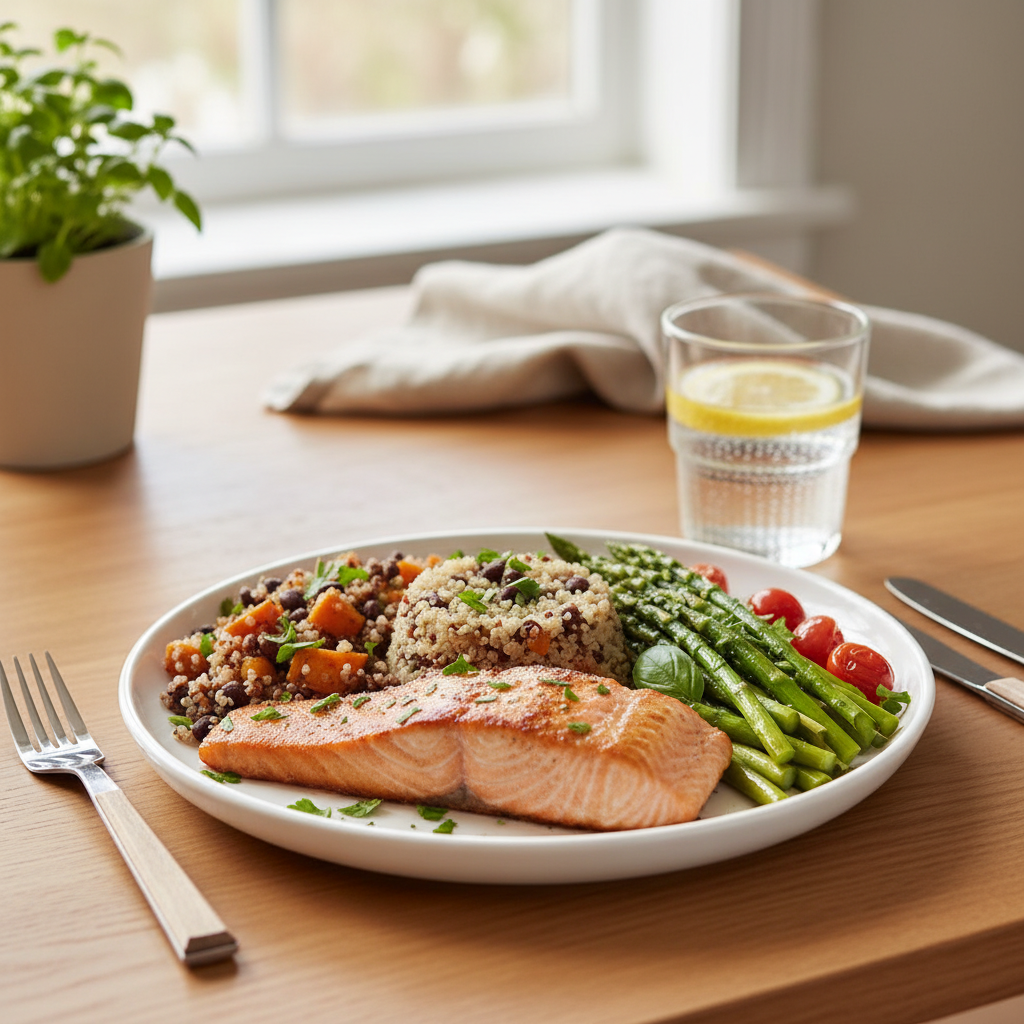
Building a healthy lifestyle is a journey, not a destination. By focusing on simple, sustainable habits, you set yourself up for long-term success and well-being.
Start small, stay consistent, and celebrate your progress along the way.
Remember, even the tiniest shifts can create a ripple effect across all areas of your life. As you integrate these habits, you’ll cultivate greater energy, resilience, and vitality. Embrace the process and trust that each step is bringing you closer to your healthiest, most vibrant self.
Pick just 1-2 healthy habits from this list to focus on first. Commit to them for a few weeks until they feel like second nature. Then layer on another small change. Those tiny steps will add up to major results over time.