


The food you eat is the first step to keeping your heart healthy
The food you eat is the first step to keeping your heart healthy. High cholesterol is a major risk factor for heart disease, but eating well can help keep cholesterol levels in range. You don’t have to give up taste or satisfaction to follow a low-cholesterol food plan. You may eat tasty food and keep your heart healthy at the same time if you use the appropriate ingredients and eat balanced meals. This is a 7-day low-cholesterol meal plan that will make your heart healthy and your taste senses pleased.
What is cholesterol and why is it important?
Cholesterol is a waxy molecule that is in your blood. Your body requires some cholesterol to make healthy cells, but too much cholesterol can make you more likely to get heart disease. This is because high cholesterol levels can cause fatty deposits to build up in your blood vessels, which can make it hard for blood to pass through your arteries. This can trigger heart attacks or strokes.
There are two kinds of cholesterol:
- LDL, or low-density lipoprotein, is sometimes called “bad” cholesterol. It can build up on the walls of your arteries and form plaque, which makes the arteries narrower and less flexible.
- HDL, or high-density lipoprotein, is a type of cholesterol that helps get rid of other types of cholesterol in your blood.
Following a diet that lowers LDL and improves HDL levels is vital for keeping cholesterol levels in a healthy range.
Important Parts of a Diet Low in Cholesterol
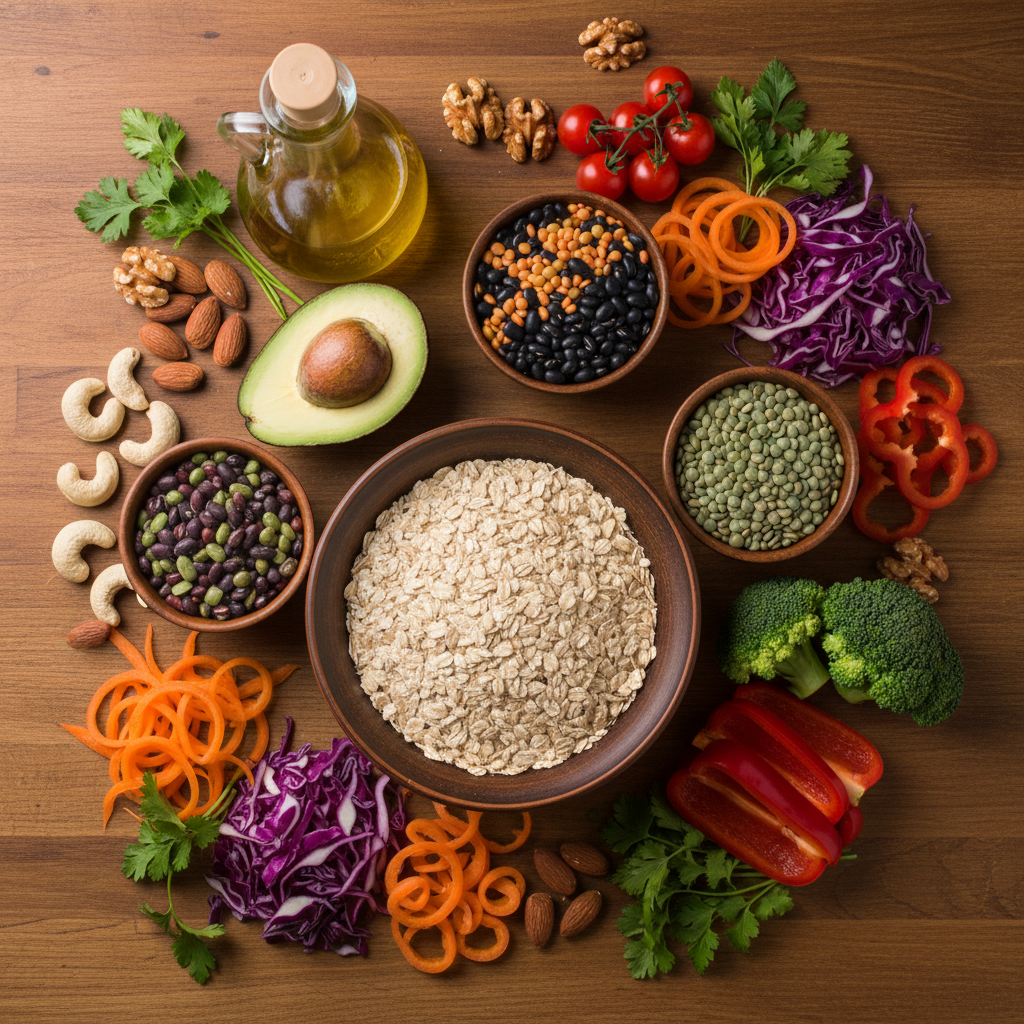
- Eat more fiber: Foods like oats, beans, lentils, fruits, and vegetables are high in soluble fiber, which can help lower the amount of cholesterol that gets into your blood.
- Pick Healthy Fats: Instead of saturated fats from red meat and full-fat dairy products, use unsaturated fats from foods like olive oil, avocados, and almonds.
- Add Plant Sterols and Stanols: These compounds, which are abundant in plant-based meals, can help stop cholesterol from being absorbed. They are typically included in yogurt, orange juice, and margarine.
- Limit Trans Fats: Fried and processed foods often have trans fats, which raise LDL cholesterol and lower HDL cholesterol.
- Eat foods high in omega-3 fatty acids, like salmon, mackerel, and sardines. These fatty acids can help decrease triglycerides and boost HDL cholesterol.
These HOMBERKING Meal Prep Glasslocks are the best food storage containers you can find. We’ve had them and a very similar Korean variant at home for years, and we still have them from more than ten years ago. I really suggest you check these out. They are typically on discount!
Low Cholesterol Meal Plan for a Week
Day 1
- Breakfast: Oatmeal with sliced bananas and a handful of almonds on top.
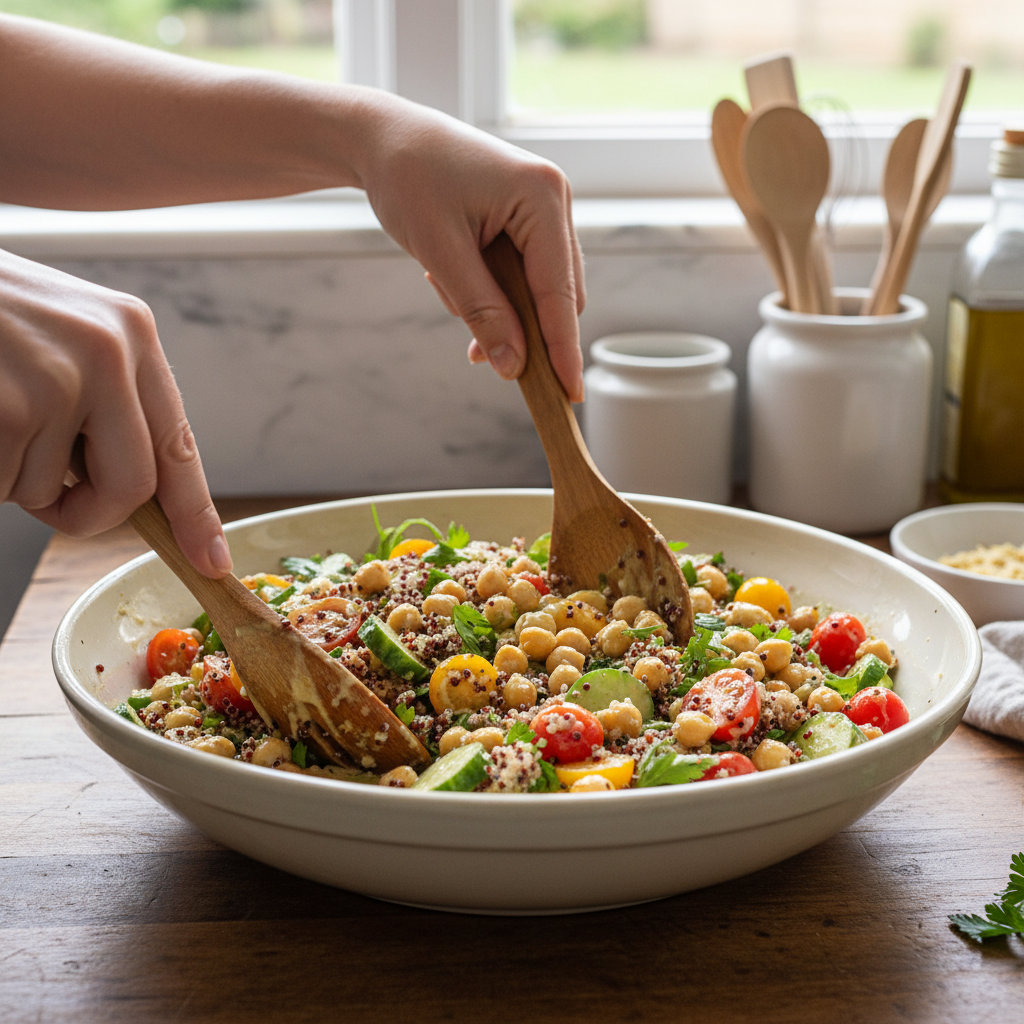
- For lunch, I had a salad made with quinoa, chickpeas, cherry tomatoes, cucumber, and a lemon-tahini vinaigrette.
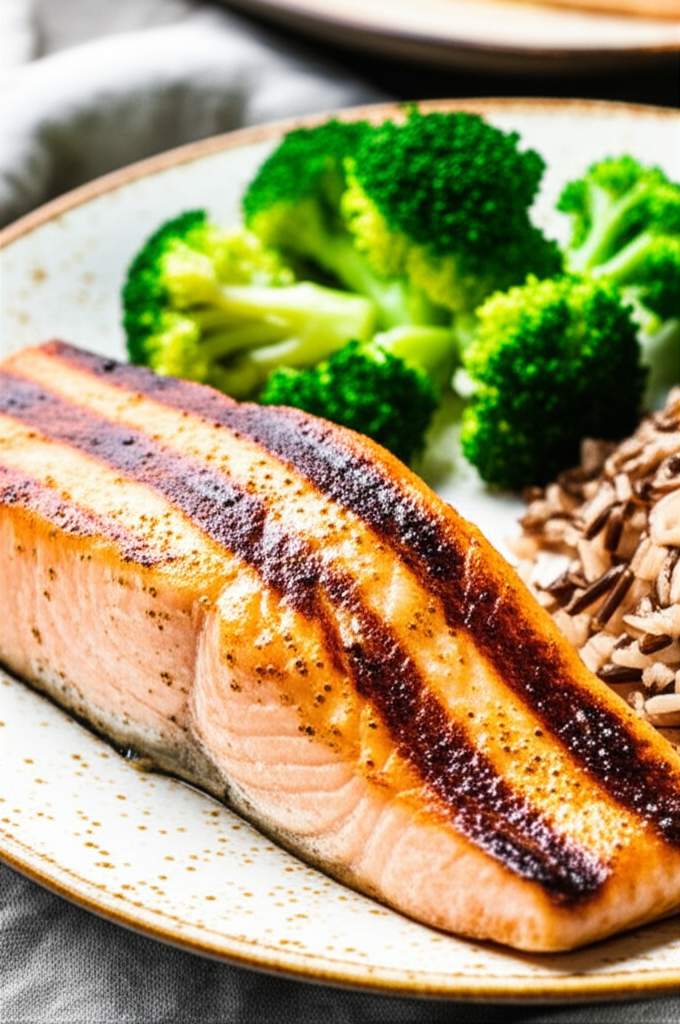
- Dinner: Grilled salmon with steamed broccoli and a side of wild rice.
- Apple slices with almond butter are a snack.
Day 2
- Toast with avocado and a poached egg for breakfast.
- For lunch, you can have lentil soup with a side of mixed greens drizzled with olive oil and balsamic vinegar.
- Dinner: Brown rice, tofu stir-fried with mixed vegetables.
- Carrot sticks with hummus for a snack.
Day 3
- Breakfast: A smoothie made with Greek yogurt, spinach, flaxseeds, and mixed berries.
- Lunch: A whole-grain tortilla wrap with turkey and avocado and a side of baby carrots.
- Dinner: Cod baked with quinoa and spinach that has been sautéed.
- A handful of walnuts and an orange for a snack.
Day 4
- Breakfast: Yogurt with granola and sliced strawberries that is low in fat.
- For lunch, there was grilled chicken breast with a salad of barley and vegetables.
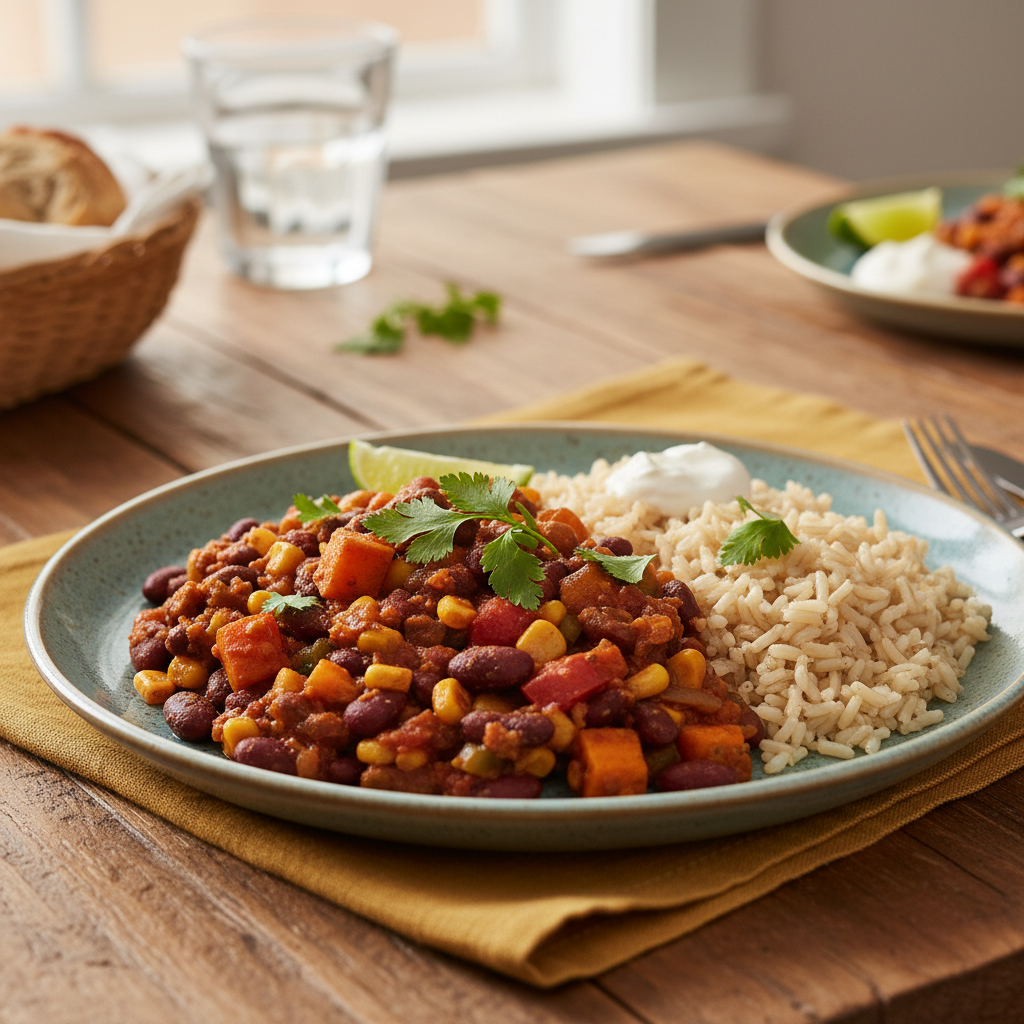
- Dinner: Vegetarian chili cooked with beans, tomatoes, and spices, with brown rice on the side.
- A pear and a handful of sunflower seeds are a snack.
Day 5
- Egg whites scrambled with spinach and tomatoes, served on whole-grain toast for breakfast.
- For lunch, you may have a salad of black beans and corn with avocado and lime dressing.
- Dinner: Chicken baked with sweet potatoes and green beans.
- A modest bowl of mixed berries and some almonds for a snack.
Day 6
- Breakfast: A smoothie bowl made with unsweetened almond milk, kale, blueberries, and chia seeds, and topped with sliced almonds.
- Grilled shrimp and a salad of quinoa and greens for lunch.
- Dinner: Bell peppers stuffed with brown rice, black beans, and lean ground turkey.
- Peanut butter and celery sticks for a snack.
Day 7
- Breakfast: Whole grain pancakes with fresh berries and a drizzle of honey on top.
- For lunch, have a whole-grain tortilla with spinach and feta cheese.
- Dinner: Grilled swordfish with steamed asparagus and Brussels sprouts that have been roasted.
- Snack: An apple cut into slices with a handful of pecans.
If you want to lower your risk of heart disease and enhance your heart health, you need to eat a diet low in cholesterol. Keep in mind that making small changes and sticking to a healthy diet can have a big effect on your heart health over time.