


In this complete guide, I’ll talk about the best foods for a healthy gut.
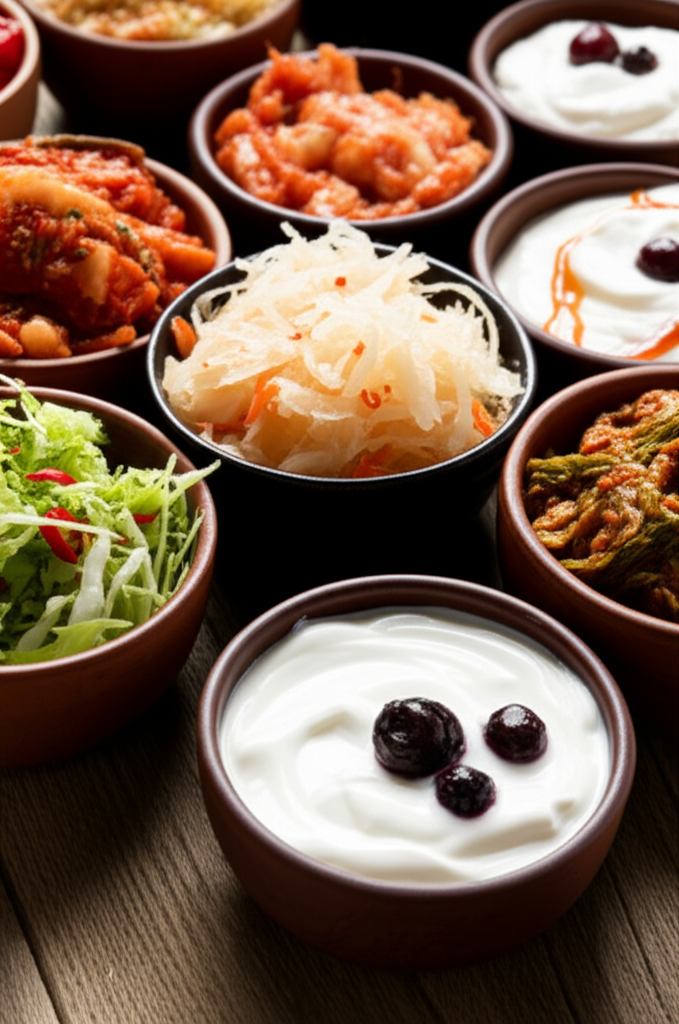
For good health and energy, your digestive system needs to work properly. Adding these foods to your diet can help your digestion and keep your gut microbiome in balance. These are the foods I think are best for gut health: prebiotic vegetables, high-fiber legumes, and fermented foods that are high in probiotics.
Why Gut Health Matters
You probably already know that gut health is very important for your overall health. The gut is where our immune system is centered. It also helps us digest food and absorb nutrients. It also affects our mood and energy levels.
As a certified nutrition coach, I always suggest a whole food diet full of different kinds of fresh fruits and vegetables. This is a great way to start improving your gut health. However, there are a few foods that stand out that can really help your gut health and microbiome as a whole. Below is a list of some of my favorite things.
Foods That Can Improve Your Microbiome
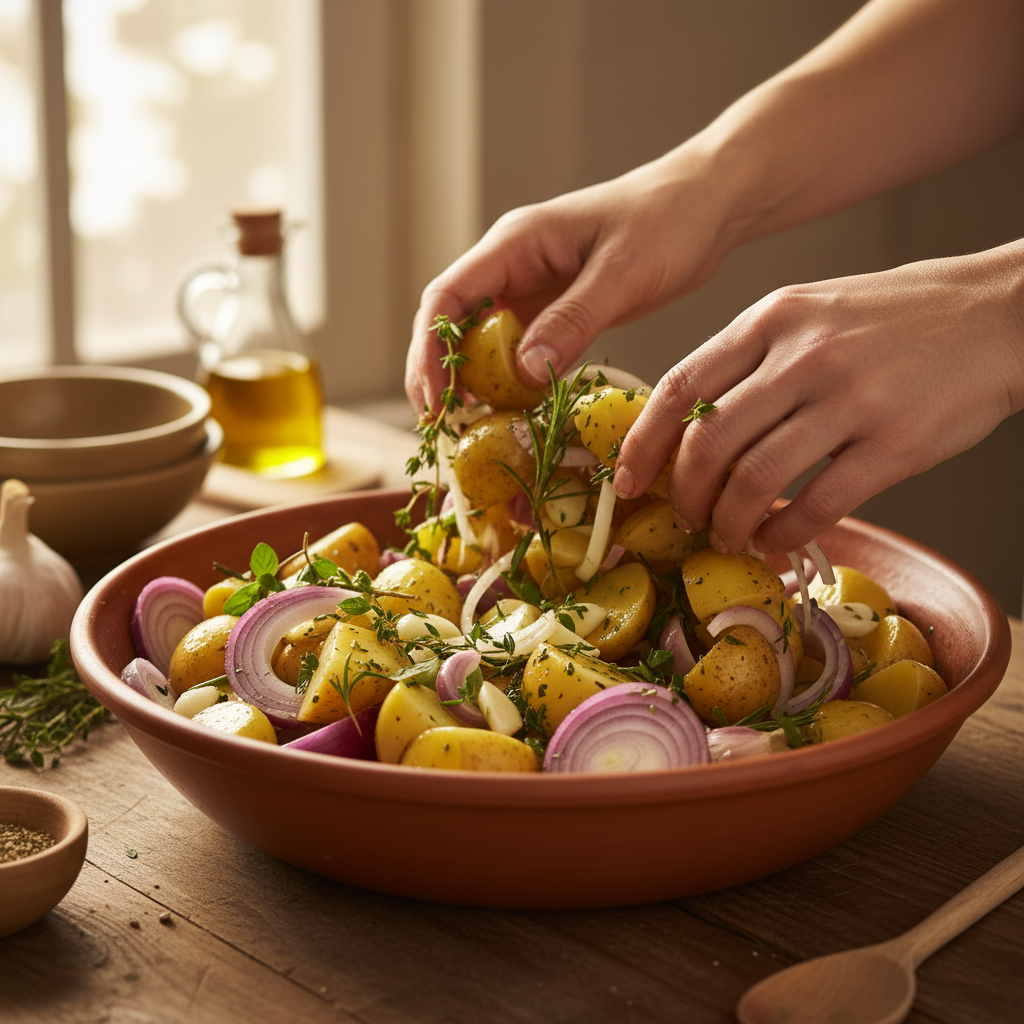
Let’s talk about some of the best foods you can eat to make your microbiome better. The more different foods you eat, the more healthy bacteria you can add to your gut and the more food you can give to the good bacteria that are already there.
Foods that have been fermented
Probiotics are good bacteria that are found in fermented foods like sauerkraut, kimchi, yogurt, and kefir. These probiotics help bring back and keep a healthy balance of gut bacteria, which helps digestion, nutrient absorption, and the health of the gut as a whole. Eating fermented foods on a regular basis can help your gut work better and may even boost your immune system. I like to eat more fermented dairy by making a fruit dip as a snack (my toddler daughter loves it too) or by using yogurt as a salad dressing or a dollop on food.
Kombucha
A fermented tea that uses a colony of bacteria and yeast that work together to make helpful probiotic compounds. You can buy it at the store or make it yourself at home with a SCOBY starter.Find out how to do it here.
Sauerkraut
A way to keep cabbage fresh that has been used for a long time is to use salt or a culture starter. It has recently gotten a lot of attention in the health world for its probiotic benefits. Lactic acid bacteria ferment the cabbage, breaking down the natural sugars in it and leaving behind compounds that are good for gut health.Find out how to make your own sauerkraut.
If you don’t like cabbage that much, you could try one of the mixed vegetable blends that have carrots, beets, onions, or sea vegetables in them. Take a look at my pickled beets and cauliflower with dill.
Foods High in Prebiotics
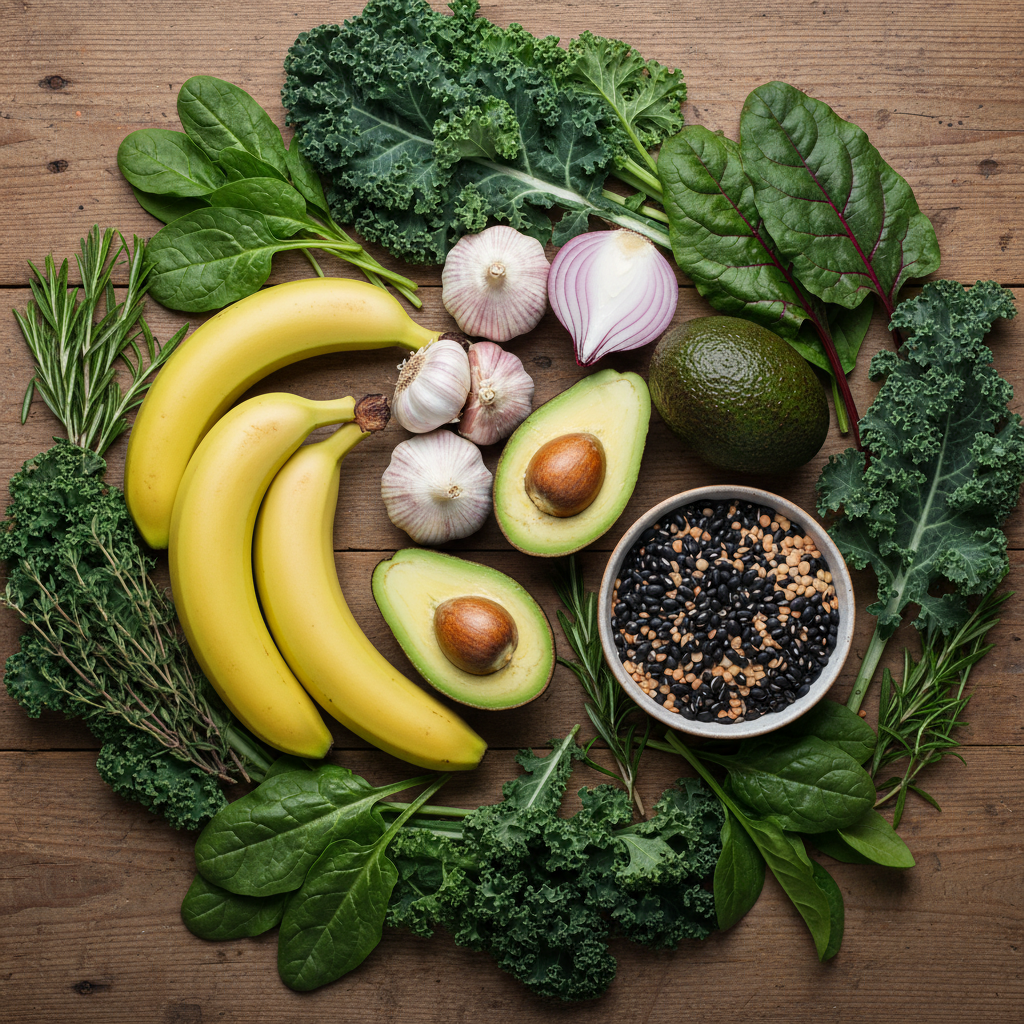
Onions, garlic, avocados, and bananas are some examples of foods that are high in prebiotics. These foods have fibers that your body can’t digest, which feed the good bacteria in your gut. Prebiotics help these bacteria grow and support a healthy and diverse gut microbiome by giving them food. This, in turn, helps with digestion, makes it easier for the body to absorb nutrients, and may even make the immune system stronger. Make my garlic chicken soup or fennel pork chops with onions and apples.
Artichokes from Jerusalem
Jerusalem artichokes are very high in inulin, a type of fiber that our gut bacteria can eat but we can’t. When inulin is fermented in the colon, it makes a substance called butyrate. There is evidence that butyrate can make the intestinal barrier healthier and reduce inflammation.Try my healthy soup made with Jerusalem artichokes and carrots.
Foods with a lot of fiber
Chia seeds, whole grains, and legumes are all great sources of fiber. Fiber is a natural bulking agent that helps keep your bowels moving regularly and stops constipation. Fiber also works as a prebiotic, feeding the good bacteria in your gut and making it a healthy place to live.
High-fiber foods also help you feel fuller for longer, supporting weight management. Try my lentil mushroom stroganoff, which is full of fibre and plant-based protein, or my tuna lentil salad.
Leafy Greens
Leafy green vegetables, such as spinach, kale, and Swiss chard, are packed with fiber, vitamins, minerals, and antioxidants. The fiber in leafy greens promotes regular bowel movements and supports the growth of beneficial gut bacteria. The vitamins and minerals they provide help maintain a healthy gut lining and support overall gut health. Check out my cheesy leafy green salad here.
Herbs and spices
Don’t ever underestimate how well herbs and spices can heal and nourish the body. Gut-loving herbs and spices such as turmeric, ginger, coriander, and cinnamon all have anti-inflammatory, antiviral, and antibacterial properties helping to soothe our digestive system and support our immune system to function optimally.
Ginger
Ginger has long been used to aid digestion and alleviate gastrointestinal discomfort. It possesses anti-inflammatory and antimicrobial properties that can help reduce digestive inflammation and soothe the gut. Ginger also promotes the release of digestive enzymes, facilitating efficient digestion and nutrient absorption.
Berries
Berries, including blueberries, strawberries, and raspberries, are rich in antioxidants and fiber. Antioxidants help reduce inflammation in the gut, while fiber supports regular bowel movements and feeds the gut bacteria. The combination of antioxidants and fiber in berries contributes to a healthier gut environment and supports optimal digestion.
Salmon
Perhaps my ultimate ‘superfood’, protein and omega-3 rich, anti-inflammatory salmon helps with the management of inflammation in the body and repair of our cells that line our gut wall. Salmon also contains bioactive protein molecules that researchers are studying for their support of insulin effectiveness and control of inflammation in the digestive tract. It also contains selenium, associated with the prevention of colorectal cancer!
Try my salmon and avocado nori rolls, baked salmon loaf, or this orange teriyaki salmon. On the budget, try one of these canned salmon recipes and ideas.
Gelatin
The highest concentrations typically found in the parts of animal products that we throw away – skin, cartilage, bones etc. Gelatin can strengthen our gut health by enhancing gastric acid secretion and restoring the lining of our stomach. As it absorbs water, it also helps to keep fluid on our digestive tract, assisting with healthy bowel motions.
In addition, regular muscle meat contains methionine – too much methionine can increase blood levels of homocysteine – a risk factor for certain chronic diseases such as heart disease and colon cancer, as well as increasing our requirements for folate, B12, B6 and choline.
When we consume the amino acid glycine-rich in gelatin (and muscle meat in smaller amounts), we help to counteract this negative effect of methionine. You can easily get more gelatin in your diet by consuming bone broth or a high-quality gelatin supplement (Great Lakes is the brand I use). Vegetarian paleo-style eaters can increase their glycine intake from fish, leafy greens, pumpkin, cabbage, cauliflower, banana, kiwi fruit, and cucumber too.
Bone Broth
Bone broth is made by simmering bones and connective tissues, resulting in a nutrient-rich liquid. It contains collagen, gelatin, and amino acids like glutamine, which support the health and integrity of the gut lining. These components help soothe and repair the digestive tract, reduce inflammation, and improve overall gut health. Here are some ideas for using bone broth.
Broccoli
Broccoli and broccoli sprouts contain a chemical called sulforaphane that kills helicobacter pylori, the bacteria responsible for peptic ulcers and most gastric cancers.
Eat your broccoli, sprouts, cabbage and Brussels sprouts to help reduce your risk of stomach cancers, and other stomach disorders including gastritis, esophagitis, and acid indigestion.
Try my broccoli & cranberry slaw salad or my everyday side dish of pan-fried broccoli with garlic.
Grass-fed butter
Butter is a source of naturally occurring butyrate in our diets. Butyrate is an important source of energy for intestinal cells. Without butyrate, or with very little supply, intestinal cells die. I always recommend a mixture of healthful, wholesome fats and oils in a general person’s diet, and as some foods ferment in the gut producing butyrate, it’s not as essential to consume as some of the other foods listed. Basically, you don’t need to serve up lashings of butter to benefit.
However, food sources of butyrate may also enhance intestinal barrier function and improve overall gut health. If you’re not into butter, a diet rich in fibre – both soluble and insoluble will help your gut bacteria to produce more of this healthful compound.
Turmeric
Turmeric contains a compound called curcumin, which has powerful anti-inflammatory and antioxidant properties. These properties can help reduce inflammation in the gut and alleviate digestive discomfort. Turmeric also supports liver health, which plays a crucial role in the detoxification processes of the body, indirectly benefiting the gut. Try my turmeric zucchini and coconut soup.
Probiotic Supplements
Probiotic supplements provide a convenient way to introduce beneficial bacteria directly into the gut. These supplements can help restore the balance of gut bacteria, improve digestion, and support overall gut health. Probiotics are especially beneficial after a course of antibiotics or during times of digestive imbalance.
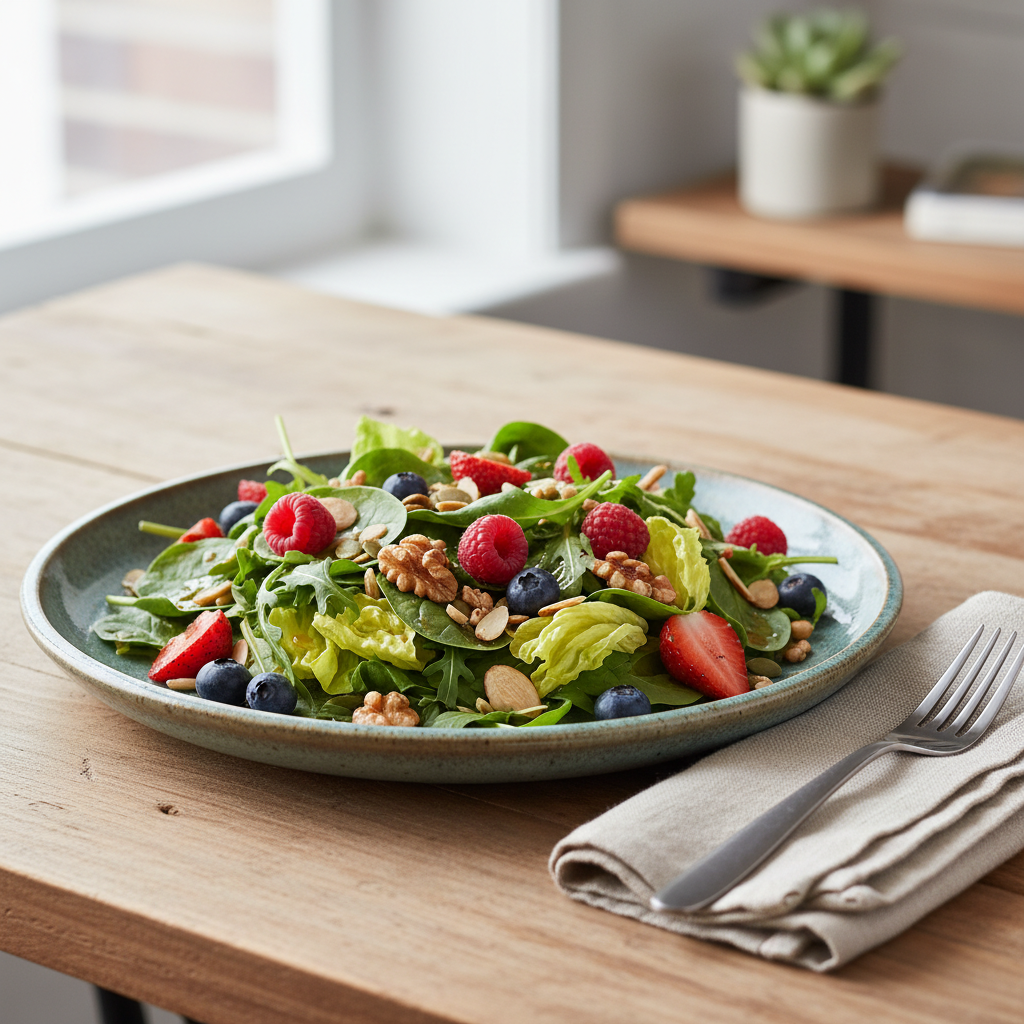
Incorporating these top healthy gut foods into your diet can provide a wide range of benefits, including improved digestion, enhanced nutrient absorption, reduced inflammation, and a stronger immune system.
Talk to your GP or pharmacist about the probiotic supplements with the most efficacy for your needs.