


No one will believe that honey buttermilk bread is made from scratch because it is so light.
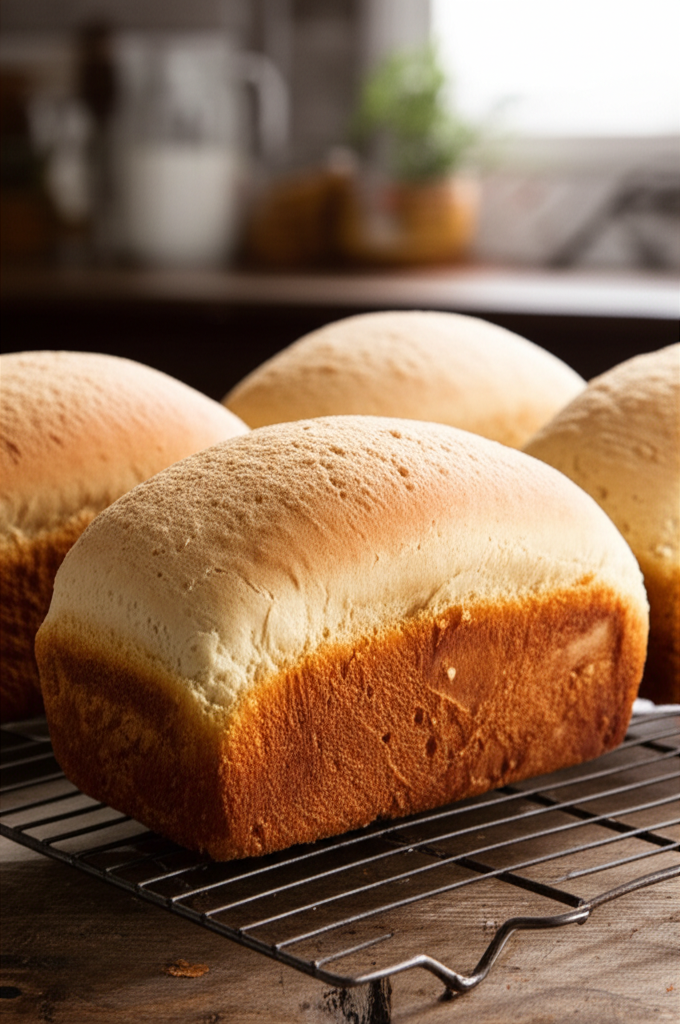
How to Make Honey Buttermilk Bread
Why You’ll Love It: This fan-favorite buttermilk bread is soft, fluffy, and easy to make. It has over 900 five-star reviews and can be made in just three hours. Great for beginners and good enough to boast about.
Course: Yeast Bread Cuisine: American Heritage
- Time to Prepare: 15 minutes
- 30 minutes to cook
- Time to get up: 2 hours and 15 minutes
- Total time: 3 hours
Servings: 20 (two loaves)
Calories: 188
Ingredients
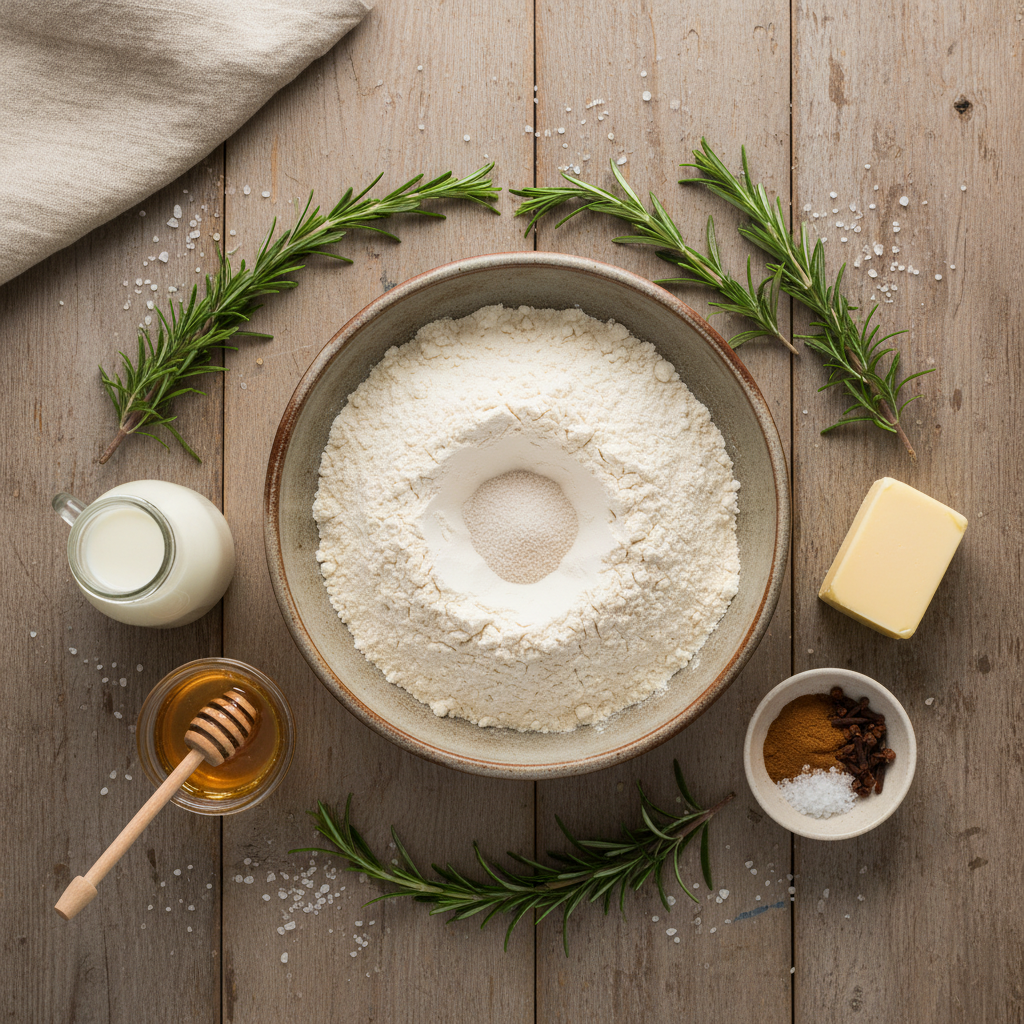
These are the things you need to make this soft sandwich bread.
You can use rapid rise yeast instead of active dry yeast if you prefer. Just follow the directions on the yeast packet.
Buttermilk gives bread a little taste, but largely it makes the crumb soft and supple, which we all adore. You can read this article on how to produce buttermilk if you don’t have any.
Salt—kosher salt was utilized. If you use standard table salt, cut the amount by roughly a quarter.
You can use all-purpose flour instead of bread flour if you want. It might rise a little higher or lower. Check out this list of different kinds of flour and how to utilize them.
Things that go into it
- ◯ 1 packet or 1 tablespoon of yeast
- ◯ A little bit of powdered ginger
- ◯ 1 teaspoon of sugar
- ◯ Warm water, 105F to 110F, ¼ cup
- ◯ Two cups of cultured buttermilk that is warm (105F to 110F)
- ◯ ⅓ cup of honey
- ◯ 1 teaspoon of kosher salt (if you’re using table salt, use ¾ teaspoon)
- ◯ ¾ teaspoon of baking soda
- ◯ 4 cups of flour (bread flour or all-purpose flour)
- ◯ ¼ cup of butter that has been melted and cooled so that it is warm to the touch but not hot.
Instructions
- Put the yeast, ginger, sugar, and 110F water in a medium-sized bowl and stir.
- Put aside for five minutes or until it gets frothy.
- Mix the honey, buttermilk, salt, and baking soda together, then add them to the yeast mixture.
- Add three cups of flour and mix on low for about 3 to 5 minutes, or until the mixture is smooth.
- Add the butter and stir it in until it is well mixed in.
- Keep the mixer on low speed and add the rest of the flour, one cup at a time.
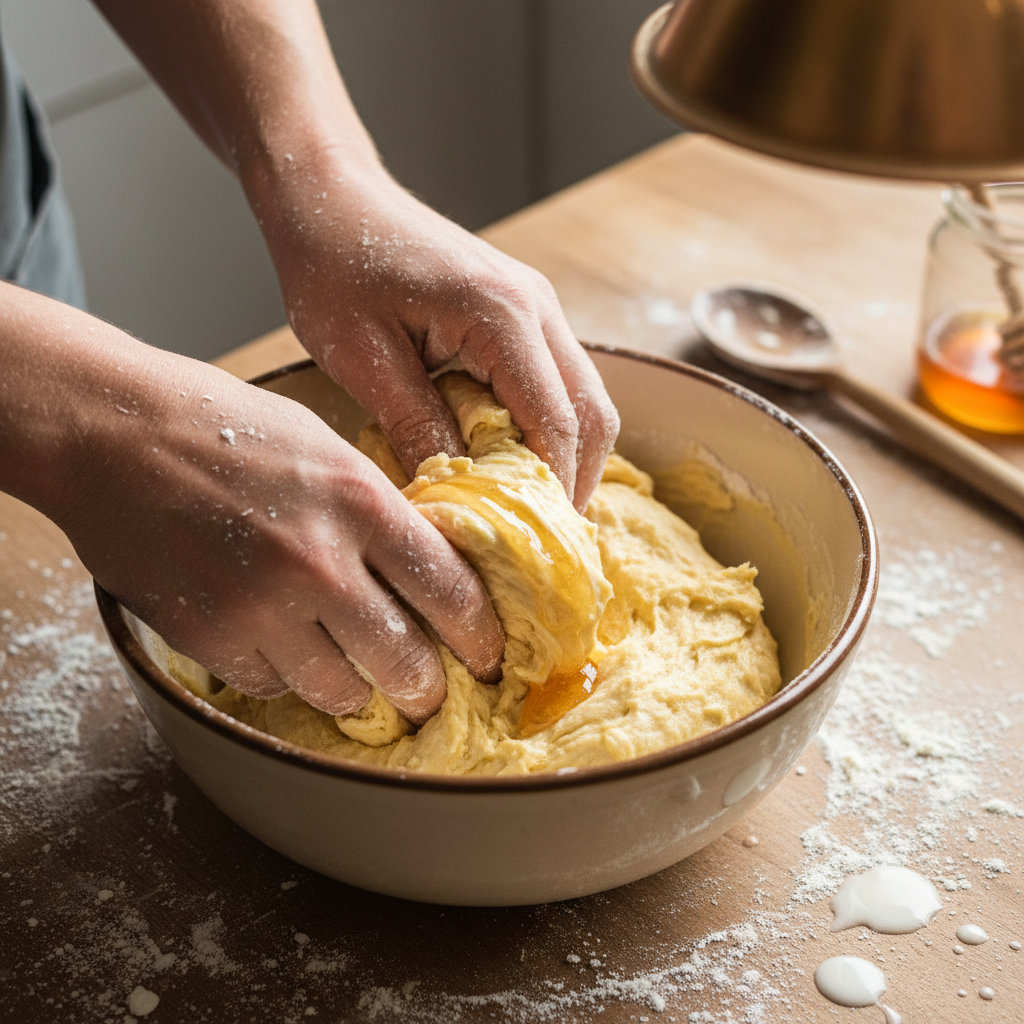
- Take the dough out of the mixer and place it on a lightly floured surface when it starts to pull away from the sides of the bowl. Knead until the dough is smooth and stretchy. You can also knead in your mixer if you follow the instructions that come with it.
- Put in a bowl that has been greased, turn it to grease the top, and cover it with a clean tea towel.
- Let the dough rise for an hour and a half, or until it is double its size.
- Punch down the dough and shape it into two loaves. Put each one in a greased loaf pan with the seam side down. Grease the tops.
- Cover and let rise in a warm location for 45 minutes, or until it is almost to the tops of the bread pans.
- Set the oven to 375F.
- Put in the oven for 30 minutes. If they brown too quickly, you can cover the tops with foil.
- Take the loaves out of the oven and brush the tops with melted butter. Put on a rack to cool.
- Let them cool in the pans for 10 minutes.
- Use a knife to carefully run along the edge between the bread and the pan to loosen it.
- Take out and let cool all the way on a rack.
- If you want soft crusts, cover the loaves.
You can use any bread pans you have; I just like glass better. I think the 1.5 quart size is the 9×4 pyrex ones I use.
Keeping
Eat fresh, handmade bread within a day or two, or freeze it.
Advice
- The recipe may call for more or less flour than you require. The weather and temperature can change your ingredients. For example, if it’s humid, you could require an extra 1/4 cup of flour. Air pressure makes bread rise higher on a rainy day than on a clear day.
- Check that all the ingredients are at room temperature.
- Use yeast that is still good to use. If your bread dough isn’t rising well, the yeast might be too old.
- Check that your drinks are not hotter than 110F. Use an instant-read thermometer to check. The yeast will die if the liquids are too hot.
- Make sure to knead the dough all the way through. It makes the taste and texture better, and it will take 8 to 10 minutes by hand.
- Before the dough rises, grease the top.
- Put the dough in a warm place to rise.
- Bake at 350°F if you think the bread is getting too brown at 375°F.
- Let the baked bread cool in the pan for 10 minutes, then take it out to cool all the way.
- While the loaves are still hot, brush them with butter and then cover them with a clean tea towel to cool them down. This will make the crusts soft.
Do you need to make changes for high altitude? Look at the directions from Utah State University.
Facts about nutrition
There are 188 calories, 33 grams of carbohydrates, 5 grams of protein, 3 grams of fat, 2 grams of saturated fat, 8 milligrams of cholesterol, 183 milligrams of sodium, 72 milligrams of potassium, 6 grams of sugar, 110 IU of vitamin A, 34 milligrams of calcium, and 0.4 milligrams of iron.
As a courtesy, we guess the nutrition information. Please check the information with your own nutritional calculator if you are using it for medical reasons. A diet of 2000 calories a day is what Percent Daily Values are built on.
There have been a number of tests on this recipe. The results may not be the same if you use different ingredients or vary the way you do things in some way.
If you’ve never worked with homemade yeast dough before, read this tutorial on creating bread before you start. It answers almost all of your questions.
Instructions for using a bread machine
A lot of you have inquired how to use a bread machine to create buttermilk bread. Debbie, one of the readers, did, and this is what she said:
To make and bake it in a bread machine, reduce the buttermilk bread recipe in half, set the machine to white bread, and add the ingredients in this sequence (or follow the directions that came with your machine):
- Water
- Buttermilk
- Butter
- Honey
- Sweetness
- Salt
- Flour, ginger, and baking soda stirred together
- Yeast
Stacy
How to freeze dough for bread that hasn’t been baked yet
To freeze dough that hasn’t been cooked yet, you need to double the amount of yeast the recipe calls for and then freeze the dough after you shape it into loaves.
Let the loaves thaw in the fridge overnight, then let them rise at room temperature until they’re ready to bake. It will take longer than usual to rise.
Follow the recipe’s instructions for baking.
Different Versions
This is one of those simple bread recipes that you may customize by adding different things.
- For a great cinnamon raisin bread, knead in the raisins and add sugar and cinnamon before shaping. Follow the shaping instructions in this cinnamon swirl bread recipe.
- Buttermilk bread has a rich texture that makes it great for cutting into thick slices and preparing French toast.
- Make bread pudding out of it if it gets a little stale. Yum!
- This is also a fantastic recipe for buttermilk dinner rolls. Just roll it up and bake it at 375F for 10 to 15 minutes.
Things to think about
- Expert tip: You could need more or less flour than the recipe says. Weather and environment can change the way your components work. For example, if it’s humid, you may require at least an extra ¼ cup of flour. Air pressure makes bread rise higher on rainy days than on clear days.
- Check that all the ingredients are at room temperature.
- Use yeast that is still good to sell. If your bread dough isn’t rising well, it can be because the yeast is too old.
- If you don’t have much time, you can put the bread in the fridge overnight for the first or second rising time.
- There are two things that the baking soda does…It helps the bread rise high and light by working with the acid in the buttermilk. It also balances out any bad flavors that the buttermilk acids may have.
- Make sure your drinks aren’t heated over 110F. Use an instant-read thermometer to check. The yeast will die if the liquids are too hot.
- Make sure to knead the dough all the way through. It adds flavor and texture, and it will require 8 to 10 minutes of hard kneading by hand.
- Before the dough rises, grease the top.
- Put the dough in a warm place to rise. The finest place is one that doesn’t have any drafts.
- If you want the crust to be a darker golden brown, brush it with a mixture of egg yolk and a teaspoon of water right before you put it in the oven.
- Let the bread cool in the pan for 10 minutes before taking it out to cool completely.
- While the loaves are still hot, brush them with butter and then cover them with a clean tea towel to cool them down. This will make the crusts soft.
- This is how to use up that extra buttermilk!
Brush the crust with butter while it’s still hot, then cover it with a tea towel to keep it soft.