


Mongolian Ground Beef Noodles
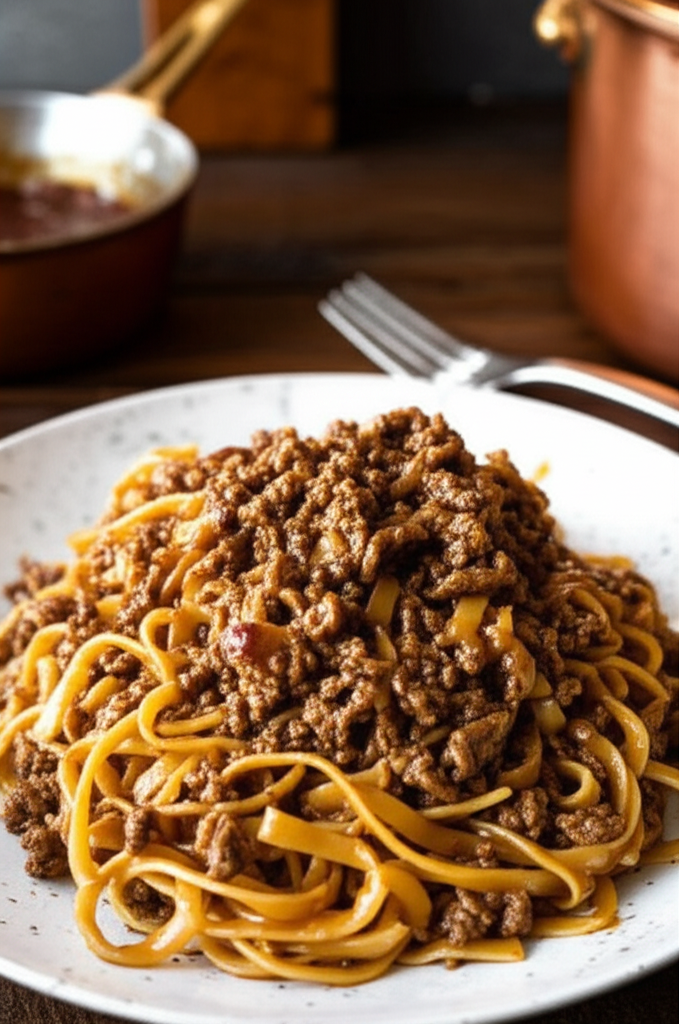
Mongolian Ground Beef Noodles is one recipe that never lets me down. I adore quick, tasty meals that are easy to make. It tastes great because it has a mix of savory, somewhat sweet, and umami flavors that work well together in every bite. This dish is my go-to when I want something filling but don’t want to spend hours in the kitchen.
The combination of tender noodles, seasoned meat, and a thick soy-based sauce is what makes Mongolian Ground meat Noodles so wonderful. This is a great meal for busy weeknights or when you want takeaway but want to make it yourself. Also, everyone in the family will like it. Kids and adults both love it!
What’s the best part? You can change it to fit what you have in your pantry. This dish is quite flexible. You may add more vegetables, change the spice level, or replace the beef with another protein. You’ll see why it’s a family favorite after you taste it.
Quick Recipe Info Table
| Feature: | More information |
| Time to Get Ready: | Ten minutes |
| Time to Cook: | 15 minutes |
| Time in Total: | Twenty-five minutes |
| Calories (About): | Each serving has 450 kcal. |
| Servings: | 4 |
| No gluten: | No (but it can be changed) |
| Plant-based: | No |
| No Dairy: | Yes |
| Hot: | Mild (may be changed) |
| Best Served: | Hot |
Why You Will Love This Recipe
Mongolian Ground Beef Noodles has become a regular part of my cooking for a lot of reasons. Here are few things that really make it special:
- This recipe is quick and easy to make; it only takes 30 minutes to put together, so it’s great for weeknights when you don’t have a lot of time.
- This dinner is easy on the wallet because all you need are ground beef and some basic cupboard items like soy sauce, garlic, and brown sugar.
- The sauce is the best part of this dish. It has a mix of salty, sweet, and slightly acidic flavors that cover the noodles and beef perfectly.
- Family-Friendly: The sauce isn’t overly hot, and the sweet taste makes it a hit with kids and adults.
- You may easily add bell peppers, carrots, or broccoli to make it more nutritious, or you can use ground turkey or chicken instead of ground beef.
- Better than Takeout: It satisfies your taste for Asian-style noodles, but it’s fresher, healthier, and created right in your own home.
- One-Pan Meal: Less cleanup is usually a good thing! This recipe is not only tasty, but it’s also easy to make because everything cooks in one pan.
Things You Need to Make Mongolian Ground Beef Noodles
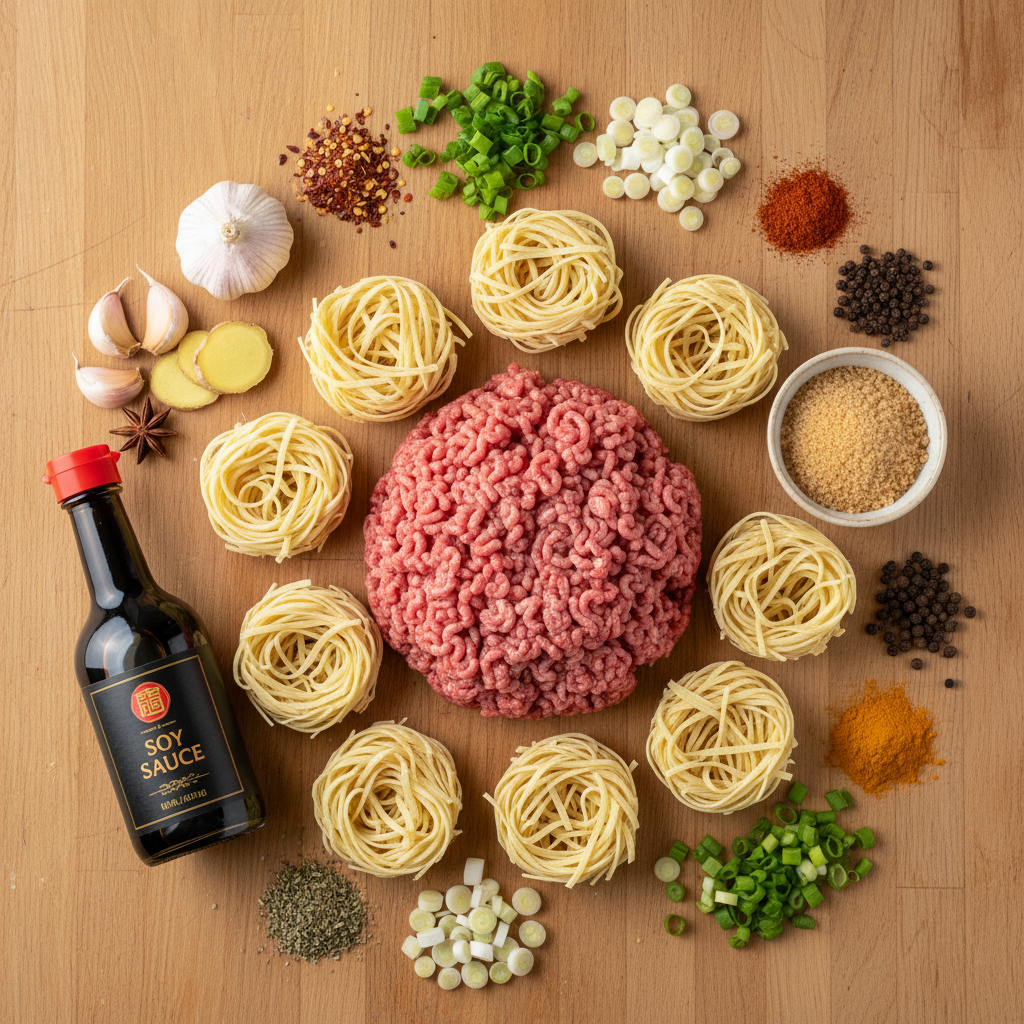
To create the ideal combination of sweet, salty, and umami flavors in your Mongolian Ground Beef Noodles, you need to use the right ingredients. This dish is great since it uses basic cupboard items and fresh ingredients, so you can make it any day of the week.
- ◯ Ground beef (1 lb / 450 g)
This recipe is all about ground beef. It has a strong, meaty flavor that goes well with the sweet and salty sauce. Choose lean ground beef (80% lean or more) to make the dish moist without adding too much fat. - ◯ ½ cup of soy sauce
The main ingredient in the sauce is soy sauce, which gives it a strong, salty umami flavor. It also makes the steak taste better and covers the noodles wonderfully. If you want less salt, you can use low-sodium soy sauce. - ◯ 1/4 cup of brown sugar
The brown sugar adds a hint of sweetness that balances out the saltiness of the soy sauce. It also helps the sauce get a little sticky, caramelized feel. - ◯ 4 cloves of garlic, minced
Adding fresh garlic gives the dish a strong, fragrant taste. It goes well with both beef and soy sauce and is a mainstay in Asian-inspired cookery. - ◯ Ginger (1 tablespoon, grated or minced)
Ginger gives the sauce a warm, somewhat spicy flavor. It adds a fresh, tangy flavor that makes the food taste better overall. - ◯ 1 tablespoon of sesame oil
The dish smells rich and nutty because of the sesame oil. People in Asia commonly use it to give depth and a bit of toastiness to their food. - ◯ Four stalks of green onions, cut into pieces
Green onions, which are also called scallions, have a light onion flavor with a note of freshness. You can use them in cooking or as a colorful garnish at the end. - ◯ Red pepper flakes (1/2 teaspoon, optional)
Red pepper flakes are great if you like a little heat. They give a moderate kick without taking over the sweet and savory flavors. - ◯ 12 oz / 340g of noodles
You can use any kind of noodles you choose, such spaghetti, udon, or even ramen. The sauce soaks into the noodles, which are the chewy, delicious base of the dish. - ◯ 1 tablespoon of cornstarch and 2 tablespoons of water make a cornstarch slurry.
This makes the sauce thicker, which gives it the smooth, shiny texture that coats the steak and noodles perfectly. - ◯ ½ cup of water
Water helps the sugar dissolve and makes the sauce smooth by balancing out the soy sauce’s saltiness. - ◯ 1 tablespoon of vegetable oil
Vegetable oil keeps the pan from sticking and helps the ground beef and garlic obtain a nice golden-brown sear.
How to Make Mongolian Noodles with Ground Beef
- Step 1: Make the noodles
First, fill a big saucepan with water and bring it to a boil. Using a lot of water is necessary so that the noodles cook evenly and don’t clump together. When the water is boiling, put in the noodles you like. You can use spaghetti, udon, or even ramen noodles in this dish. Gently stir the noodles so they don’t stick together. Follow the instructions on the package to cook them, which usually takes 8 to 10 minutes, or until they are al dente, which means they are firm but cooked through. When the noodles are done, put them in a colander and rinse them with warm water. This helps get rid of extra starch and keeps them from sticking together. While you make the remainder of the dish, toss the noodles with a little bit of vegetable oil to keep them from sticking together. Put them away for later. - Step 2: Brown the ground beef.
Put a tablespoon of vegetable oil in a large skillet over medium heat. Add the ground beef once the oil is heated. As the beef cooks, use a wooden spoon or spatula to break it up into little pieces. Stir it every now and then to make sure it browns evenly. This normally takes between 5 and 7 minutes. The meat should change from pink to a deep brown hue, and you should hear it start to sizzle as the moisture cooks off. If you observe too much grease collecting in the pan, carefully pour it out. Taking out extra grease keeps the meal from getting too oily and makes the sauce stick to the beef better afterward.
- Step 3: Put in the ginger and garlic
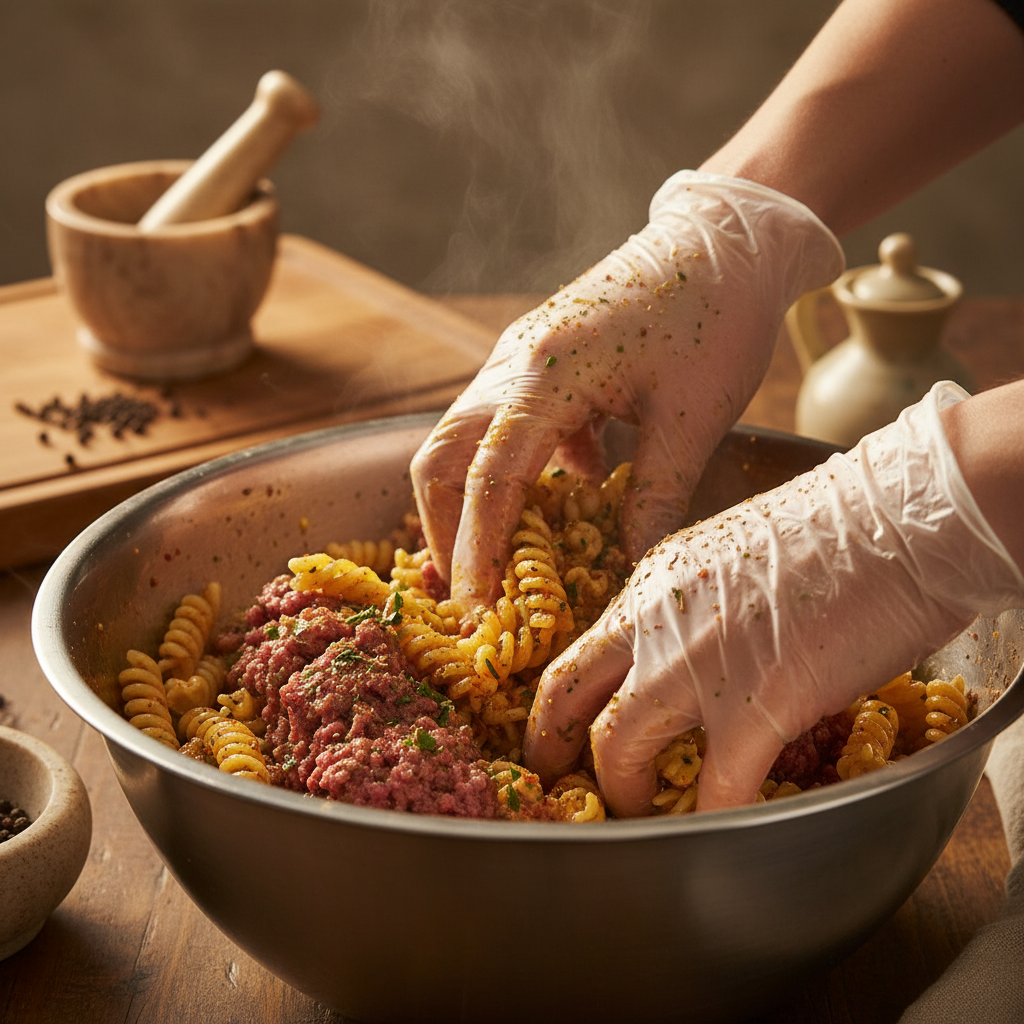
After the steak is completely brown, turn the heat down to low. Add the minced garlic and grated ginger and mix them in. These ingredients are necessary to make the dish’s strong, fragrant basis. Stir them regularly while cooking them slowly for approximately a minute to keep them from burning. The garlic gives off a nice smell as it heats up, and the ginger provides a little warmth. This fast sautéing process adds their flavors to the beef, making sure that every bite is full of flavorful delight. - Step 4: Make the Sauce
Make your sauce in a small bowl while the ginger and garlic are cooking. Combine soy sauce, brown sugar, and water. If you enjoy a little spice, sprinkle some red pepper flakes at this point. Mix the ingredients vigorously until the brown sugar is totally gone. This sauce is the center of the dish, offering the perfect blend of salty, sweet, and umami flavors. After mixing, pour the sauce right over the steak in the skillet and toss everything together. Allow the sauce to warm up and begin to bubble slightly. This lets it soak into the steak, which makes it taste better. - Step 5: Make the sauce thicker
To produce a rich, glossy coating on your beef and noodles, you’ll need to thicken the sauce somewhat. In a separate small bowl, mix one tablespoon of cornstarch with two teaspoons of water to produce a slurry. Stir until smooth and lump-free. Slowly pour the slurry into the skillet while swirling the beef and sauce mixture. The cornstarch reacts quickly with the heat, causing the sauce to thicken within a minute or two. Keep swirling until the sauce becomes somewhat syrupy and adheres to the beef. Be cautious not to overcook it, since the sauce can become excessively thick. - Step 6: Combine Noodles and Beef
Once your sauce is thick and shiny, it’s time to put everything together. Add the cooked noodles directly into the skillet with the steak and sauce. Use tongs or a large spoon to stir everything together completely. Ensure the noodles are well coated with the sauce and combined equally with the beef. Stir gently for 1 to 2 minutes over low heat, allowing the noodles to absorb the sauce. This step is vital because it helps the flavors melt together, creating a rich and unified dish. - Step 7: Add Green Onions and Sesame Oil
With everything combined, turn off the heat. Add sesame oil to the skillet, which gives the meal its signature nutty scent. Sprinkle in half of your chopped green onions, keeping the remainder for decoration. Stir everything together once more. The remaining heat from the noodles and beef will slightly soften the green onions, bringing forth their delicate sweetness. The green onions and sesame oil work together to make the dish taste better and give it a fresh, fragrant finish. - Step 8: Add the garnish and serve
It’s time to serve your Mongolian Ground Beef Noodles. Put the noodles in dishes or platters to serve. Add the rest of the green onions on top for a splash of color and extra freshness. If you like things that are crunchy, add some sesame seeds on top. For those who prefer spice, a sprinkle of more red pepper flakes might provide an extra kick. Serve the noodles hot and enjoy the delightful blend of sweet, salty, and slightly spicy flavors in every bite.
Serving Suggestions
Mongolian Ground Beef Noodles is a tasty and filling dish on its own, but adding sides and extras that go well with it can make your dinner even better. The thick, flavorful sauce, tender meat, and noodles go nicely with fresh veggies, light salads, and cool drinks. Here are some ideas for how to serve your food to make the meal even better.
- A simple Asian-inspired side salad is one of the nicest things to serve with it. A light sesame dressing on a blend of shredded cabbage, carrots, cucumber, and bell peppers gives the substantial noodles a crisp, refreshing bite. The acidity from the dressing cuts through the richness of the beef, creating a beautiful combination.
- Steamed veggies are another wonderful choice. Broccoli, snap peas, or bok choy lightly cooked and seasoned with a sprinkle of salt and sesame oil provides a pop of color and nutrients to your meal. These vegetables also soak up the Mongolian sauce beautifully if you opt to combine them into your noodles.
- If you like a heartier lunch, consider pairing your Mongolian Ground Beef Noodles with pan-fried or steamed dumplings. Dumplings stuffed with veggies, pork, or chicken give a delicious contrast in texture and flavor. They enhance the sweet and salty elements of the noodle dish.
- For a fusion twist, pair the noodles with garlic toast or crispy spring rolls. Garlic bread may seem odd, but the garlicky, buttery flavors pleasantly enhance the Mongolian beef’s umami richness. Spring rolls, on the other hand, offer a light, crunchy taste, and dipping them in sweet chili sauce makes the meal even more pleasurable.
- Beverages can also enhance your eating experience. A cool glass of iced green tea or a little sparkling water with lemon helps cleanse the palette between bites. If you’re in the mood for something more indulgent, a fruity mocktail or a refreshing beer complements the savory tastes of the dish.
- Finally, garnishes can modify the dish further. Chopped peanuts, cashews, or sesame seeds add crunch, while a spray of chile oil or Sriracha offers extra heat for spice lovers. Fresh herbs like cilantro or Thai basil can add a blast of freshness.
Whether you want to enjoy Mongolian Ground Beef Noodles on its own or as part of a full spread, these serving options will improve your meal and provide a well-rounded dining experience.
Can We Make Mongolian Ground Beef Noodles in Advance?
Yes, Mongolian Ground Beef Noodles is a terrific recipe to make in advance. Whether you’re meal-prepping for the week or getting ready for a gathering, cooking this dish ahead of time will save you effort while ensuring you still enjoy a wonderful meal. However, there are a few crucial procedures to follow to maintain its quality.
If you wish to make the entire dish ahead, cook the noodles and the ground beef mixture as suggested, but slightly undercook the noodles by a minute or two. This stops them from becoming too soft when warmed later. After combining everything, let the dish cool to room temperature before transferring it to an airtight container. Store it in the refrigerator for up to 3 days.
For the greatest results, you can also prepare the components individually. Cook the noodles and mix them with a little oil to prevent sticking. Store them in a sealed container in the fridge. Prepare the ground beef and sauce mixture, allowing it to cool before keeping it in a separate container. When you’re ready to eat, simply reheat the beef mixture in a skillet, add the noodles, and combine everything together. This procedure helps maintain the texture of the noodles and prevents them from absorbing too much sauce while sitting in the fridge.
If you’re going to serve this dish for a special occasion, you can prep the sauce in advance. Mix the soy sauce, brown sugar, water, and spices, then put it in a container in the refrigerated for up to a week. Having the sauce ready means you may cut down your cooking time greatly when it’s time to prepare the dinner.
Freezing is another method, albeit it works better for the beef and sauce portion. Once cooked, let the beef mixture cool fully, then place it in a freezer-safe container. It can be frozen for up to 2 months. When you need a quick meal, thaw the beef overnight in the refrigerator and reheat it on the stove. Cook fresh noodles, combine them with the reheated beef, and you’ll have a great lunch in minutes.
When reheating, always add a splash of water or stock to soften the sauce and prevent the noodles from drying out. Stir regularly to achieve even heating. Following these recommendations will help you enjoy Mongolian Ground Beef Noodles with the same fresh taste and texture, even when made in advance.
Storage Instructions
Proper storage is key to keeping your Mongolian Ground Beef Noodles fresh and tasty for future meals. Whether you plan to enjoy the leftovers within a few days or save them for a later date, following the right storage methods will help maintain the dish’s flavor and texture.
Once you’ve finished your meal, allow the noodles to cool to room temperature before storing them. It’s important not to leave the food out for more than two hours, as bacteria can develop quickly at room temperature. Once cooled, transfer the noodles into an airtight container. This will prevent them from drying out and help preserve their flavor. Stored in the refrigerator, the dish will stay fresh for up to 3 to 4 days.
If you want to keep the noodles for longer, freezing is a good option. To do this, let the dish cool completely before portioning it into freezer-safe containers or resealable freezer bags. Portioning helps with easy thawing later. Squeeze out as much air as possible from the bags to prevent freezer burn, and label them with the date. When stored properly, Mongolian Ground Beef Noodles can last in the freezer for up to 2 months.
When it’s time to eat the frozen noodles, it’s best to thaw them overnight in the refrigerator. If you’re in a hurry, you can reheat them straight from the freezer, but be gentle to avoid overcooking the noodles.
Proper storage not only keeps your dish fresh but also allows you to enjoy this delicious meal anytime you like.
Can We Reheat Mongolian Ground Beef Noodles?
Yes, reheating Mongolian Ground Beef Noodles is simple, and if done correctly, it brings back the same delicious flavors as when freshly made. However, it’s important to choose the right reheating method to prevent the noodles from turning mushy or the beef from drying out.
The stovetop is often the best way to reheat this dish. Simply heat a non-stick pan over medium heat, and add a splash of oil or water to prevent sticking. Once the pan is warm, add your noodles and gently stir them. Let them heat for about 3 to 5 minutes, stirring occasionally. If the sauce has thickened in the fridge, adding a little water or broth can help loosen it up. This method is ideal as it keeps the noodles tender and prevents overcooking.
If you’re short on time, the microwave is a faster option. Place the noodles in a microwave-safe bowl and sprinkle a bit of water over them to prevent drying out. Cover the bowl with a lid or damp paper towel, and heat on medium power for 1 to 2 minutes. Stir halfway through to ensure even heating. If the noodles aren’t hot enough, continue microwaving in 30-second bursts until they are heated to your liking. Be cautious not to overheat, as microwaving too long can make the noodles rubbery.
For larger portions, using the oven is also a reliable method. Preheat the oven to 350°F (175°C), transfer the noodles into an oven-safe dish, and add a little water or broth to keep everything moist. Cover the dish with aluminum foil and heat for about 10 to 15 minutes, stirring once halfway through. This method works well when you need to warm up a family-sized serving without drying out the dish.
Tips and Tricks
- Use Lean Ground Beef
Choosing lean ground beef (about 90% lean) avoids the meal from being excessively oily. While fat adds taste, too much can lead the sauce to become oily and heavy. If you only have fattier ground beef, simply drain the excess grease after browning the meat. - Don’t Overcook the Noodles
Noodles can easily go from perfectly delicate to mushy. Always cook them just until al dente, as they will continue to absorb the sauce when combined with the beef. Slightly undercooking them during boiling helps keep the appropriate texture. - Prepare the Sauce Before Cooking
Mix your soy sauce, brown sugar, garlic, ginger, and other ingredients before you start cooking. Having the sauce ready ensures you may add it at the proper time without delaying the process. This also prevents scorching the steak when you rush to mix ingredients. - Sauté Garlic and Ginger Gently
Garlic and ginger are flavor powerhouses, but they can burn quickly. When sautéing them, keep the heat on medium and stir continuously. Burnt garlic can introduce bitterness, affecting the overall flavor of the dish. - Add Vegetables for Extra Flavor and Texture
Although the original recipe is simple, adding veggies like bell peppers, broccoli, or snap peas can enhance nutrition and provide crunch. Stir-fry the veggies briefly before placing the beef back into the skillet, ensuring they stay crisp. - Balance the Sweet and Savory
The sauce is a balance of sweetness from brown sugar and salty soy sauce. If you find it overly sweet, add a dash of rice vinegar or lime juice to impart acidity. If it’s too salty, increase the brown sugar slightly or add a bit more water to mellow the flavors. - Use Sesame Oil for Depth
A drizzle of toasted sesame oil at the end of cooking enhances the dish with a nutty aroma. Sesame oil is powerful, so a little goes a long way. Start with half a teaspoon and adjust to taste. - Stir Constantly During the Final Mixing
When combining the noodles with the beef and sauce, stir constantly to ensure every noodle is coated evenly. This also prevents any sticking or clumping in the pan. - Adjust the Spice Level
If you prefer a bit of heat, adding red pepper flakes or Sriracha can give your noodles a gentle kick. Start with a small amount and build up to your desired spice level. - Taste and Adjust Seasoning
Before serving, always taste your dish. Sometimes, the noodles can absorb a lot of sauce, reducing the saltiness. You may need to add a splash of soy sauce or an extra pinch of salt to bring out the flavors fully.
Variations of Mongolian Ground Beef Noodles
One of the best things about Mongolian Ground Beef Noodles is its versatility. The recipe serves as a perfect base that can be adapted to suit different tastes, dietary needs, and ingredient availability. Here are some popular variations you can try:
- Chicken Mongolian Noodles
Swap the ground beef with ground chicken or thinly sliced chicken breast. Chicken absorbs the sauce well and offers a lighter, leaner alternative while still delivering rich flavors. Ground turkey can also be used similarly. - Vegetarian or Vegan Version
Replace ground beef with plant-based ground meat alternatives or crumbled tofu. For a more natural approach, mushrooms (like shiitake or portobello) provide a meaty texture and soak up the sauce beautifully. Substitute soy sauce with tamari or coconut aminos to keep it vegan. - Spicy Mongolian Noodles
If you enjoy heat, consider adding chili paste, Sriracha, or fresh red chilies. Stir these into the sauce or sauté them with garlic and ginger for a bold, spicy twist. You can also finish the dish with a drizzle of chili oil. - Extra Vegetable Stir-Fry
Boost the nutritional content by adding a variety of vegetables. Bell peppers, carrots, snow peas, spinach, mushrooms, or baby corn work well. Stir-fry the veggies briefly before adding the beef to create a colorful, nutrient-packed meal. - Low-Carb or Keto-Friendly Version
For a low-carb alternative, swap traditional noodles with zucchini noodles (zoodles) or shirataki noodles. These options absorb the sauce while keeping carbs minimal. Ground beef and sauce flavors remain the same, making it a delicious low-carb meal. - Gluten-Free Mongolian Noodles
If you need a gluten-free version, use rice noodles or gluten-free pasta. Replace soy sauce with gluten-free tamari or coconut aminos to ensure every component is safe for gluten-sensitive individuals. - Egg Mongolian Noodles
For added protein and a richer texture, scramble a couple of eggs and mix them into the noodles. This creates a fried rice-style variation while keeping the signature Mongolian flavors intact. - Peanut Butter Twist
Adding a tablespoon of peanut butter to the sauce creates a creamy, nutty version reminiscent of Thai-inspired noodles. The peanut flavor blends beautifully with soy sauce and ginger, creating a rich and satisfying dish. - Beef Strips Instead of Ground Beef
Thinly sliced beef (such as flank steak) can replace ground beef for a more traditional Mongolian beef experience. Sear the beef quickly over high heat and toss it with noodles and sauce for a tender, flavorful result. - Sweet and Sour Fusion
Introduce pineapple chunks and a splash of vinegar for a sweet and sour twist. This adds a fruity brightness that contrasts well with the savory, umami base of the Mongolian sauce.
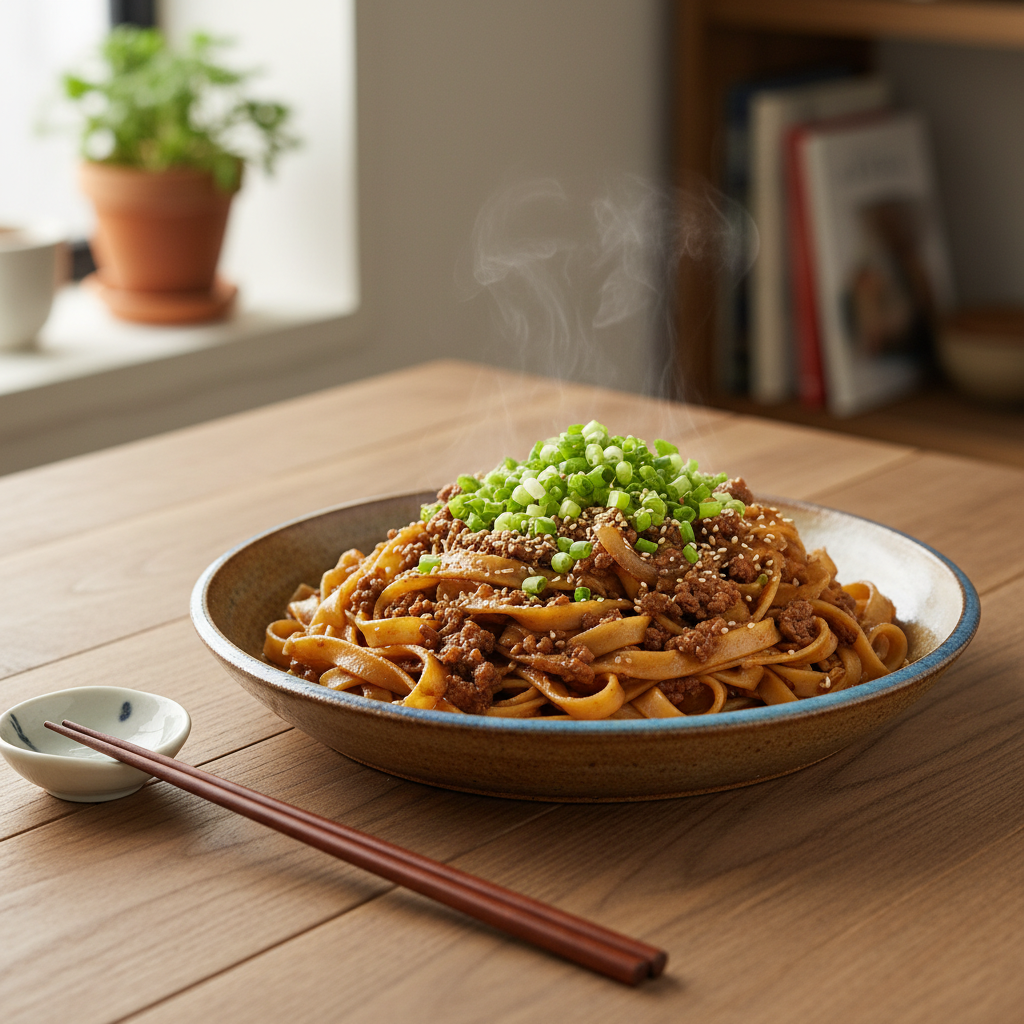
Easy Mongolian Ground Beef Noodles Recipe
Servings: 4 servings
Prep time: 10 minutes
Cooking time: 20 minutes
Calories: 450 kcal
Total time: 30 minutes
A quick and flavorful dish featuring savory ground beef, tender noodles, and a rich, slightly sweet Mongolian-style sauce. Perfect for an easy weeknight dinner!
- ◯ 8 oz (225g) noodles (spaghetti, udon, or rice noodles)
- ◯ 1 lb (450g) ground beef
- ◯ 2 tbsp vegetable oil
- ◯ 3 cloves garlic, minced
- ◯ 1-inch piece ginger, minced
- ◯ ¼ cup soy sauce (or tamari for gluten-free)
- ◯ ¼ cup brown sugar
- ◯ ½ cup beef broth
- ◯ 1 tbsp hoisin sauce
- ◯ 1 tbsp cornstarch (mixed with 2 tbsp water)
- ◯ ½ tsp red pepper flakes (optional)
- ◯ ½ cup green onions, chopped
- ◯ 1 tbsp sesame seeds (for garnish)
- Cook the Noodles – Boil the noodles according to package instructions. Drain and set aside.
- Cook the Beef – In a large pan, heat vegetable oil over medium-high heat. Add ground beef and cook until browned, breaking it apart as it cooks. Drain excess fat.
- Sauté Aromatics – Add garlic and ginger to the beef, cooking for about 1 minute until fragrant.
- Make the Sauce – In a bowl, mix soy sauce, brown sugar, beef broth, hoisin sauce, and red pepper flakes. Pour into the pan with the beef and stir well.
- Thicken the Sauce – Add the cornstarch slurry (cornstarch mixed with water) to the pan. Stir and let it simmer until the sauce thickens.
- Combine with Noodles – Add the cooked noodles to the pan and toss until well coated with the sauce.
- Garnish and Serve – Sprinkle chopped green onions and sesame seeds over the dish before serving.
Notes
- For a spicier kick, add sriracha or extra red pepper flakes.
- Use low-sodium soy sauce if you prefer a less salty dish.
- Add vegetables like bell peppers, broccoli, or snap peas for extra nutrition.
Recipe FAQs
- Can I use a different type of meat?
- Yes, absolutely. While ground beef is the traditional choice in this recipe, you can easily substitute it with ground chicken, ground turkey, or ground pork. If you prefer sliced meat, thin strips of beef (like flank steak or sirloin) work wonderfully too. Each meat option brings a slightly different flavor and texture, but all pair well with the savory-sweet Mongolian sauce.
- What kind of noodles should I use?
- You can use a variety of noodles depending on your preference. Classic stir-fry noodles, spaghetti, udon, or even ramen noodles work well. If you are looking for a gluten-free option, rice noodles or gluten-free pasta can be a great substitute. For a low-carb version, zucchini noodles (zoodles) can also work.
- Is this recipe spicy?
- No, the traditional Mongolian Ground Beef Noodles recipe is not spicy. However, you can easily add heat by including red pepper flakes, sriracha, or sliced chili peppers to the sauce.
- Can I make this dish gluten-free?
- Yes, you can make it gluten-free by using tamari or a gluten-free soy sauce alternative. Also, be sure to use gluten-free noodles like rice noodles or gluten-free spaghetti.
- How do I prevent my noodles from sticking together?
- After boiling, drain the noodles and rinse them under cold water. This helps stop the cooking process and prevents them from clumping together. You can also toss them lightly in a bit of oil if you’re not adding them to the sauce immediately.
- What can I use instead of brown sugar?
- If you’re out of brown sugar, you can substitute it with honey, white sugar, or maple syrup. Keep in mind that each alternative may slightly alter the flavor, but they all work well with the savory elements of the sauce.
- How long will leftovers last?
- Leftover Mongolian Ground Beef Noodles can be stored in an airtight container in the refrigerator for up to 3 days. Proper storage will ensure the flavors remain intact, and the dish stays fresh.
- Can I freeze Mongolian Ground Beef Noodles?
- Freezing is possible but not always recommended because the noodles can become a bit mushy when thawed. However, if you want to freeze it, freeze the beef and sauce mixture separately from the noodles. When ready to eat, reheat the beef and sauce, and cook fresh noodles for the best texture.
- What vegetables can I add to this dish?
- Feel free to add your favorite vegetables. Popular choices include bell peppers, broccoli, snap peas, mushrooms, or baby spinach. Adding vegetables not only enhances the flavor but also boosts the nutritional value of the dish.
Mongolian Ground Beef Noodles is a quick, flavorful, and satisfying meal that is perfect for busy weeknights or a comforting weekend dinner. Its rich, savory-sweet sauce combined with tender ground beef and noodles creates a delightful harmony of flavors. The best part is its versatility – you can easily adapt the recipe to suit your dietary needs, spice preferences, or whatever ingredients you have on hand.
Whether you stick to the classic recipe or try a few creative variations, this dish is sure to become a family favorite. It’s easy to prepare, requires simple ingredients, and delivers restaurant-quality flavor right from your own kitchen. Plus, with handy tips on storage, reheating, and making it ahead, you can enjoy this delicious meal whenever the craving strikes.
So, the next time you need a quick yet impressive dinner option, give Mongolian Ground Beef Noodles a try. It’s a recipe that’s not only easy to master but also one that will have everyone coming back for seconds.