


Nutritious Carbs for Diabetes
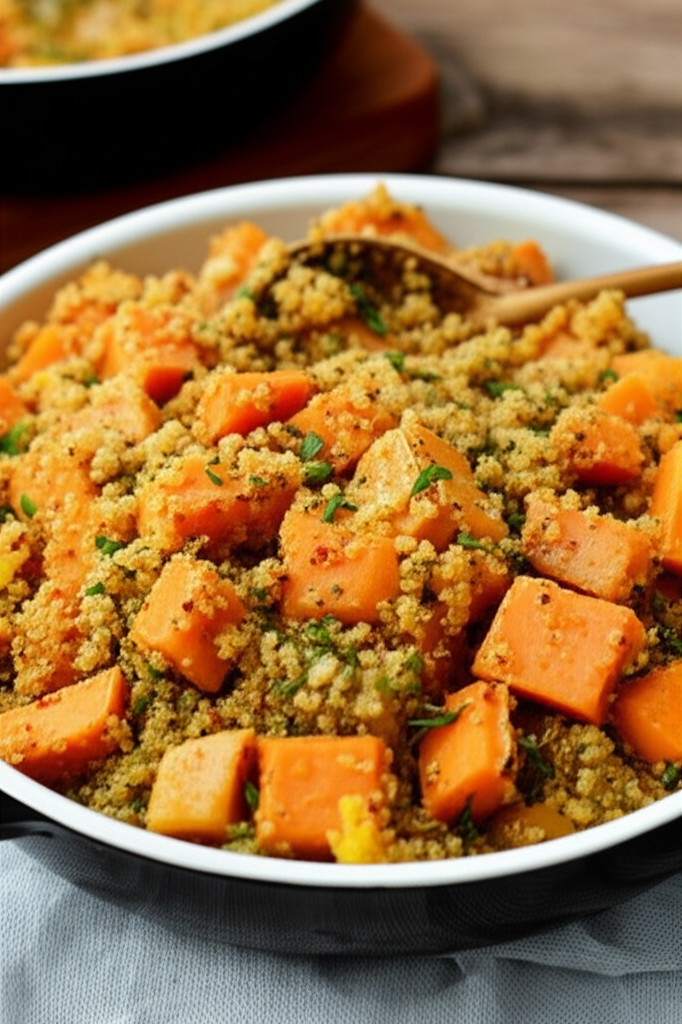
People with diabetes should pay more attention to the quality of the carbs they eat than to eliminating them altogether. People with diabetes can eat healthy carbs as part of a balanced diet. Pick carbs that don’t raise blood sugar levels too much and give your body the nutrition it needs. Here are some nutritious carbs that diabetics can eat:
Nutritious Carbs That Diabetics Can Eat
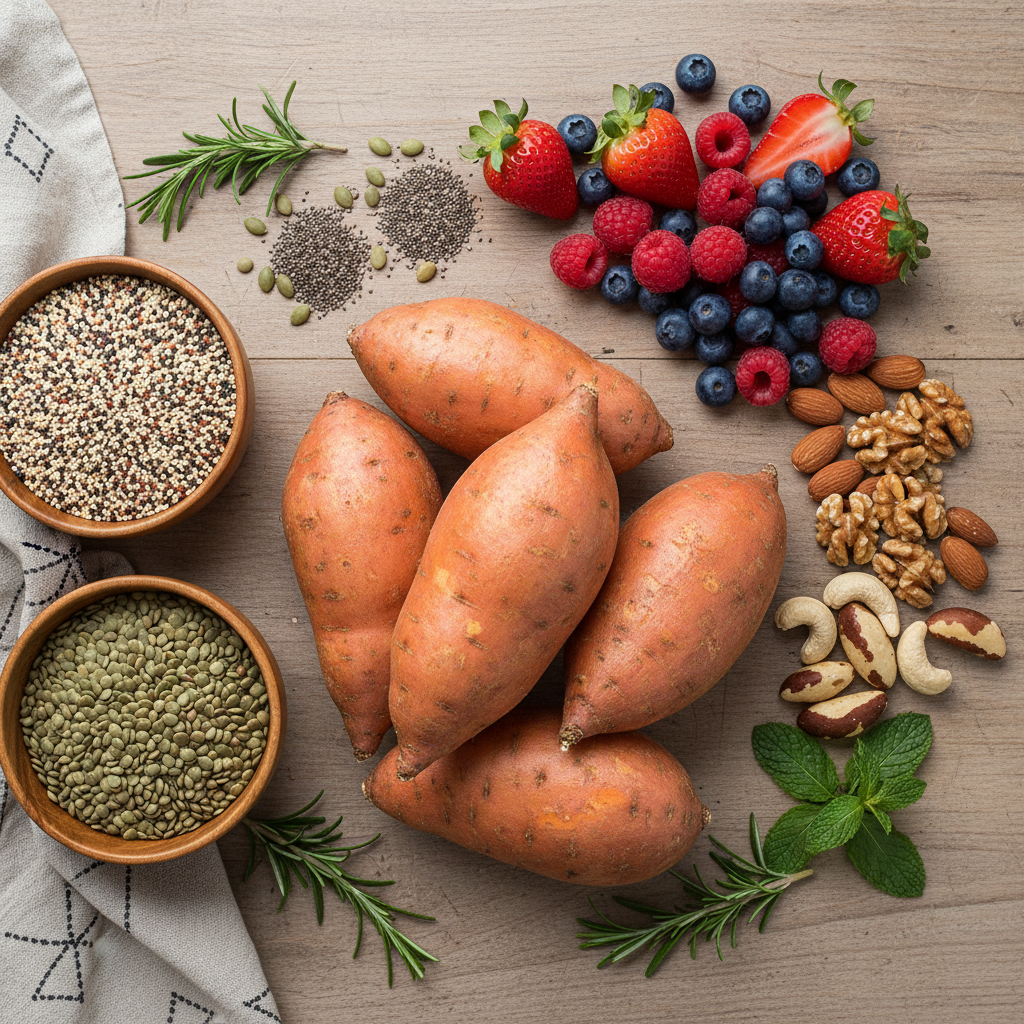
Whole Grains:
- Rice that is brown
- Quinoa
- Steel-cut or old-fashioned oats
- Whole wheat foods include bread, pasta, and couscous.
- Barley
Beans:
- Lentils
- Chickpeas
- Beans in black
- Beans for the kidneys
- Pinto beans
Vegetables that don’t have starch:
- Greens with leaves, including spinach, kale, and Swiss chard
- Broccoli
- Cauliflower
- Brussels sprouts
- Bell peppers
Berries:
- Strawberries
- Blueberries
- Raspberry
- Blackberries
Potatoes:
- Sweet potatoes are better for you than ordinary potatoes since they have a lower glycemic index and are full of minerals.
Seeds and nuts:
- Almonds
- Nuts
- Seeds of chia
- Flaxseeds
Dairy or dairy substitutes:
- Greek yogurt without sugar
- Cottage cheese
- Almond milk or soy milk that isn’t sweet
Whole fruits (in moderation):
- Apples
- Pears with peaches
- Fruits
- Cherries
Individual Beneficial Foods
Lentils
A lot of new research shows that eating more plant-based foods is helpful for your heart health, especially if you have diabetes. Lentils are a wonderful way to get protein, carbohydrates, fiber, and iron all in one.
Apples
Apples are high in fiber and taste great. They are less likely to raise blood sugar than some other fruits. A study published in the British Medical Journal in 2013 indicated that eating more whole fruits, like apples, grapes, and blueberries, was linked to a lower risk of type 2 diabetes.
Blueberries
If you have diabetes, any kind of berry is a good choice. Blueberries are especially good. They are low in calories but heavy in carbs and fiber. They also have a lot of vitamin C and heart-healthy antioxidants.
Yams
There are many reasons why we love sweet potatoes. They taste good, can be used in a lot of different ways, are high in carbs, fiber, and vitamin A, and are also good for your blood sugar. Leave the skin on to get more fiber and minerals.
Yogurt
Yogurt is a dairy superstar because it has protein, carbohydrates, calcium, and vitamin D, which many individuals with diabetes need more of. Some studies show that eating yogurt may even help keep you from getting diabetes. Eating yogurt more than four times a week was linked to a 24% lower chance of getting type 2 diabetes in a big research. Stick to basic yogurt that doesn’t have any added sugars, and use fruit to sweeten it.
Oats
Oats are high in soluble fiber, which takes longer to digest and absorb, so they don’t cause blood sugar levels to rise as much. It also lowers cholesterol, which is important for your heart health. Chaparro says, “That’s something to keep in mind, since heart disease is the leading cause of death for people with diabetes.”
Quinoa
Quinoa is a great choice for those with diabetes since it provides a lot of carbs, protein, fiber, and other minerals but doesn’t raise blood sugar levels. It’s also flexible; you can use it instead of your usual rice or pasta.
How to Handle Carbohydrates

- Control your portions: To control your carbohydrate consumption, pay attention to how much you eat.
- Fiber Intake: Pick foods that are high in fiber since fiber slows down the absorption of sugar and helps you control your blood sugar levels better.
- Balanced Meals: To keep your blood sugar levels steady, make sure that each meal has a good mix of carbs, proteins, and healthy fats.
- Stay away from processed sugars and refined carbs. Cut back on sugary drinks, candies, and highly processed carbs.
- Regular Monitoring: Check your blood sugar levels often to see how different foods affect your body.

People with diabetes need to work closely with healthcare specialists, including registered dietitians or nutritionists, to establish a specific and long-term diet plan. Different people have different dietary demands, so what works for one person may not work for another.