


How to Lower Harmful Cholesterol with Food
In a world where people care about their health, it’s crucial to know how what we eat can affect our heart health. The heart is the engine that keeps the body working smoothly, after all. One important strategy to help the heart is to eat foods that can lower harmful cholesterol levels.
Understanding Cholesterol and Its Types
Cholesterol is a crucial part of our bodies, although people mostly talk about it in a bad way. But there are two kinds of cholesterol: healthy cholesterol (HDL) and bad cholesterol (LDL). When levels of bad cholesterol are too high, they can cause a lot of health problems, especially heart disease. The good news is that what you eat can have a big effect on your cholesterol levels. This article will explain what bad cholesterol is and what foods you may eat to lower it. Follow along.
Cholesterol is a kind of lipid that is present in cells and blood. This fat is important for numerous biological activities, such as making cell membranes, hormones like testosterone and estrogen, and vitamin D, even if it has certain bad effects.
Low-density lipoprotein (LDL) is the “bad” cholesterol, and high-density lipoprotein (HDL) is the “good” cholesterol.
Health problems can happen when there is too much bad cholesterol in the body. This is because it can build up in the arteries. This deposit, called plaque, can make the arteries narrower, which makes it harder for blood to get to the brain and heart. This can make you more likely to have a stroke or heart disease.
The good cholesterol (HDL) can help get rid of bad cholesterol that has built up in the arteries and move it to the liver, where it is then broken down and removed from the body. LDL and HDL operate together in the body, however having low HDL and high LDL levels is not good and can raise the risk of heart disease.
What you eat is very crucial for keeping your bad cholesterol under control. Eating more foods that can help balance cholesterol levels in the body is crucial since it lowers the risk of getting sick. To lower cholesterol, you should avoid meals that are high in saturated and trans fats, like fried foods, full-fat dairy products, and fatty meats. Instead, eat foods that are high in unsaturated fats, like nuts, beans, and whole grains. Limiting the amount of foods that include refined sugar and simple carbs is crucial because these foods can make cardiac problems worse. Let’s look at some foods that can help lower the amount of harmful cholesterol in the body:
Cholesterol-Lowering Foods
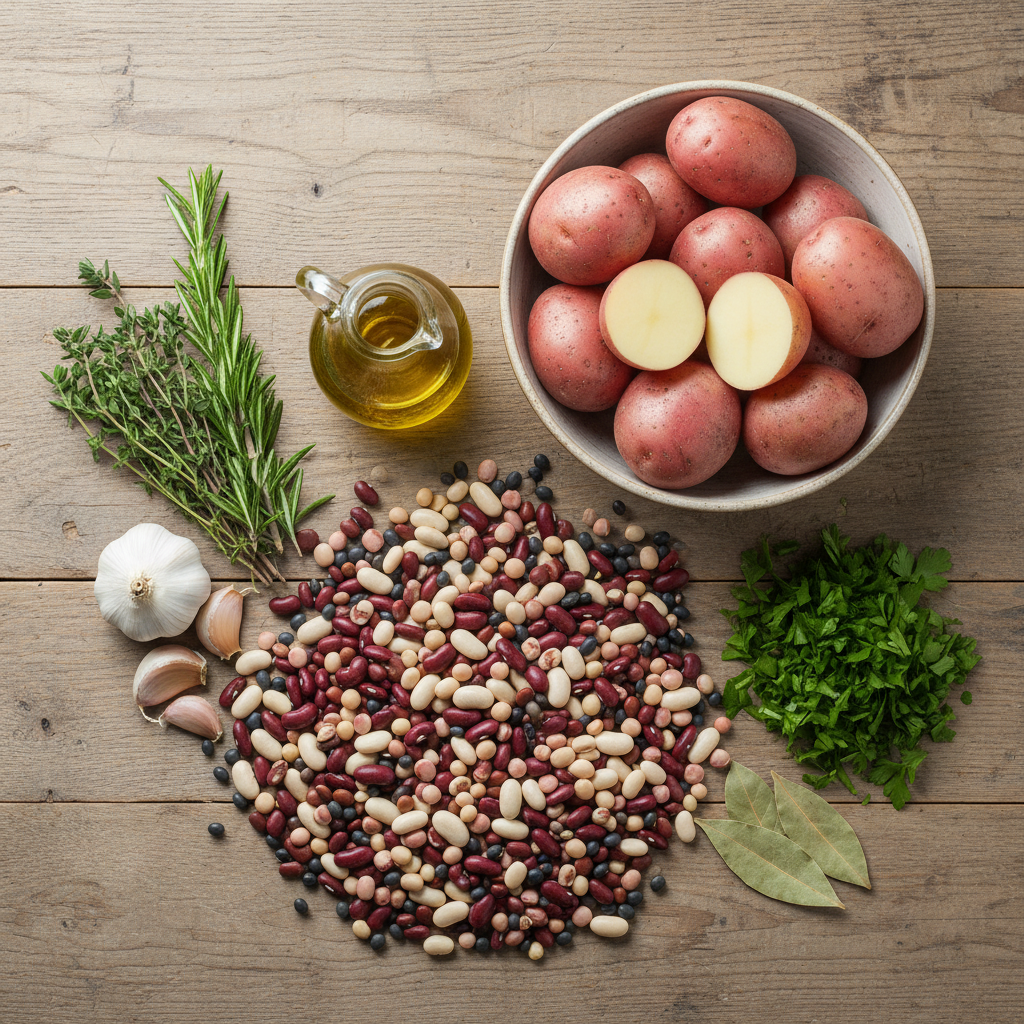
1. Beans
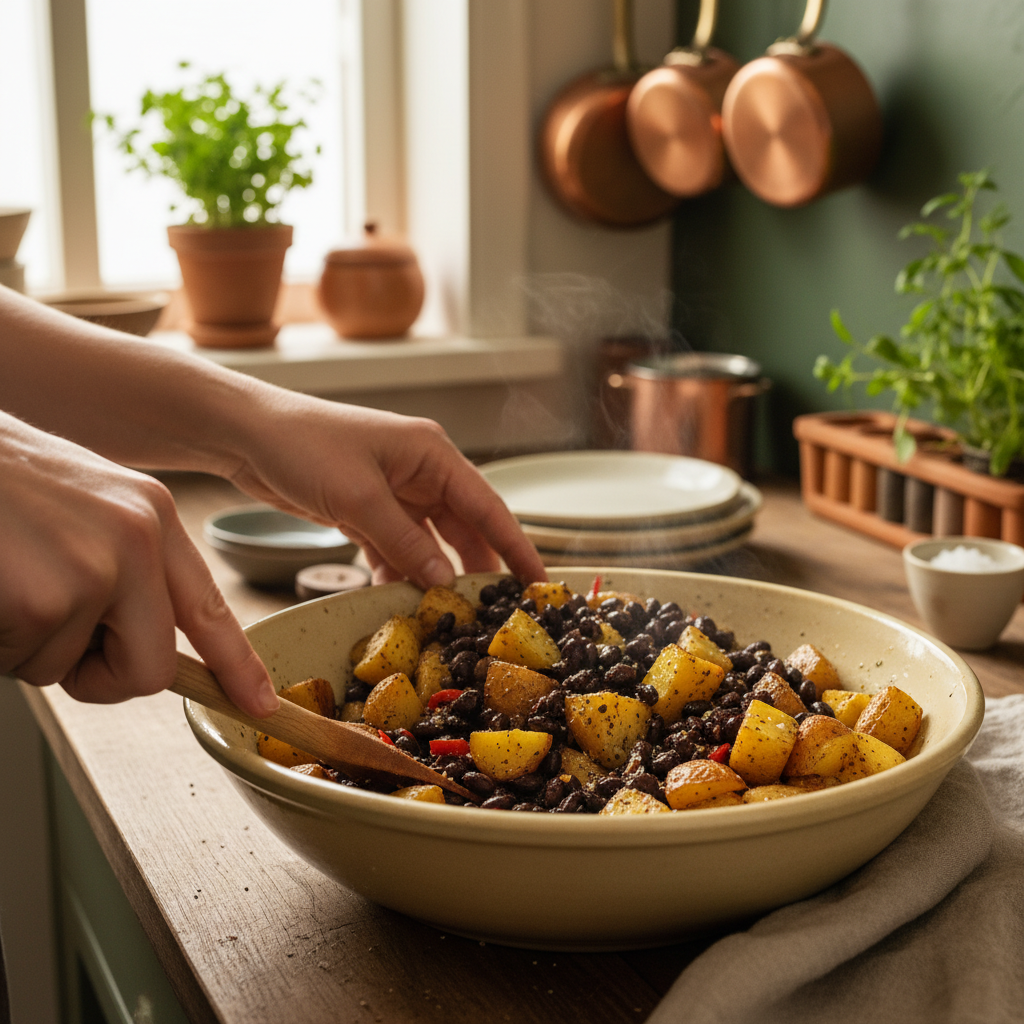
Are you looking for a dish that is flexible enough to fit into a low-cholesterol diet? Try some beans! You may add them to many other kinds of food, like soups, salads, and stews. Beans are low in saturated fats, which is beneficial for lowering harmful cholesterol levels in the body. This is not the case with animal-based protein sources. Eating beans can help you obtain enough protein while cutting down on the amount of saturated fats you eat.
Beans are a fantastic source of complex carbs, which the body breaks down more slowly than simple carbohydrates. This slow digestion can help keep blood sugar levels stable and lower the risk of insulin resistance, which is linked to heart disease and high levels of LDL cholesterol.
2. Fruits with citrus flavors
Oranges and grapefruits are two examples of citrus fruits that are high in soluble fiber. Soluble fiber binds to cholesterol in the digestive tract, which helps keep it from getting into the bloodstream and lowers LDL levels. Citrus fruits are also full of vitamin C and other antioxidants that can help keep your arteries from getting narrower, which is one of the repercussions of having high LDL levels.
Citrus fruits are also a fantastic choice for heart health and cholesterol management because they are low in calories and saturated fat. Citrus fruits also have strong flavonoids including naringin and hesperidin, which may help decrease cholesterol levels.
3. Nuts
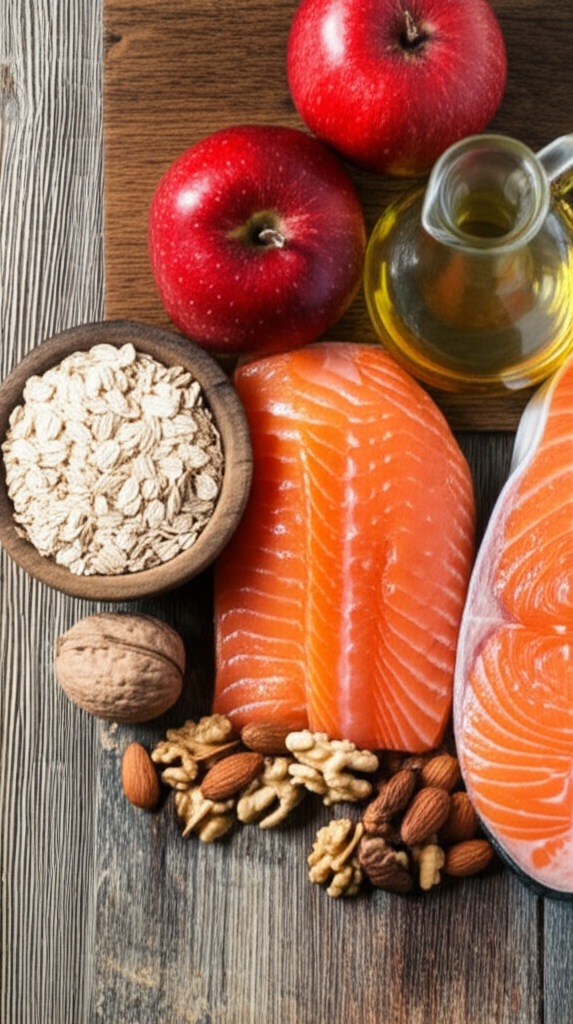
Walnuts are a fantastic source of soluble fiber, which makes them a great food to eat if you want to lower your bad cholesterol levels. This nut is very useful and has a lot of good fats, notably polyunsaturated fats, which can help lower LDL levels. Also, walnuts provide omega-3 fatty acids, which are good for heart health.
Eating foods that provide omega-3 fatty acids, like walnuts, may help lower bad cholesterol by lowering inflammation and helping blood vessels work better. Walnuts also have plant sterols in them, which have been demonstrated to help lower LDL cholesterol levels. During digestion in the intestines, plant sterols and cholesterol fight for space. This means that foods high in plant sterols can help the body absorb less cholesterol.
4. Seeds of flax
Flaxseeds are tiny but very nutritious. They are full of nutrients like lignans, protein, omega-3 fatty acids, magnesium, phytochemicals, and B vitamins. Flaxseeds have a lot of alpha-linolenic acid (ALA), which is a type of omega-3 fatty acid that has been shown to lower LDL levels. ALA stops the liver from making cholesterol and helps break down harmful cholesterol particles. Flaxseeds also provide soluble fiber, which can lower harmful cholesterol levels.
Flaxseeds also have a lot of lignans, which are good for you since they fight inflammation and free radicals. These qualities can help lower levels of harmful cholesterol by stopping the intestines from absorbing cholesterol and speeding up its removal from the body. Consume flax seeds crushed up to enhance their health advantages.
5. Avocados
Appreciated for their rich and creamy flavor, avocados can offer various health benefits including reducing the levels of harmful cholesterol. Avocados are high in monounsaturated fats, notably oleic acid, which is a sort of fat that is healthy for heart health. Moreover, monounsaturated fats can aid the lowering of LDL cholesterol levels, while encouraging the increase of good cholesterol (HDL). Avocados are high in potassium, which can help control blood pressure by blocking the effects of sodium, which can lead to high blood pressure and heart disease.
Moreover, avocados contain antioxidants like lutein and vitamin E that can prevent LDL from oxidation. Oxidation of bad cholesterol can contribute to the development of plaques in the arteries and heart disorders. Avocados are also a good source of fiber, which makes them perfect for a cholesterol-reducing diet.
6. Okra
Okra, often called gumbo or lady’s finger, is a healthy and versatile vegetable that may help lower harmful cholesterol levels and has many other health advantages. Okra has a lot of pectin, which is a type of soluble fiber that may help decrease cholesterol. Pectin, like other types of soluble fiber, sticks to cholesterol in the digestive tract and helps the body get rid of it. This lowers LDL cholesterol levels.
Moreover, okra includes different plant chemicals such as polyphenols and flavonoids that exhibit antioxidant characteristics. These antioxidants promote the protection of the arteries from the consequences of poor cholesterol including the narrowing and hardening of arteries. Okra can also assist intestinal health due to its gel-like texture. Another amazing thing about okra is that it is low in fat and calories, which making it an excellent addition to your diet.
7. Mackerel
Mackerel is filled with high-quality protein, which is beneficial for weight management. Maintaining a healthy weight is vital for regulating the levels of cholesterol and minimizing the risk of heart disease. Mackerel is rich in omega-3 fatty acids, especially docosahexaenoic acid (DHA) and eicosapentaenoic acid (EPA), which possess various health benefits including lowering the levels of LDL cholesterol and reducing inflammation.
Another fantastic thing about mackerel is that it is low in saturated fat, which makes it perfect for a low-cholesterol diet. Moreover, mackerel is abundant with antioxidants such as vitamin E and selenium that can help protect LDL cholesterol from oxidative damage. The oxidation of LDL can contribute to atherosclerosis.
8. Oats
Oats are a nutritious whole grain that offer plenteous health advantages. Numerous studies have argued that ingesting oats has impacts on lowering LDL cholesterol levels, resulting in an overall balance of cholesterol levels. Moreover, they include antioxidants such as avenanthramides that exhibit powerful anti-inflammatory characteristics that can help minimize the development of atherosclerosis.
Consuming oats is beneficial for weight management since they boost satiation due to their abundant fiber. Moreover, oats contain a low glycemic index meaning that they do not produce abrupt rises in blood sugar compared to processed cereals. This can help balance blood glucose and lower the risk of insulin resistance, which is directly tied to increasing LDL cholesterol levels.
9. Olive oil
Olive oil is mostly made up of monounsaturated fats, mainly oleic acid, which can lower LDL cholesterol levels and the risk of heart disease. Also, olive oil has chemicals like oleuropein and oleocanthal that are good for lowering cholesterol levels because they fight inflammation.
In addition to reducing LDL cholesterol levels, olive oil can help boost the levels of HDL cholesterol. It aids the elimination of harmful cholesterol from the bloodstream. By enhancing the amounts of good cholesterol, olive oil improves the management of cholesterol levels.
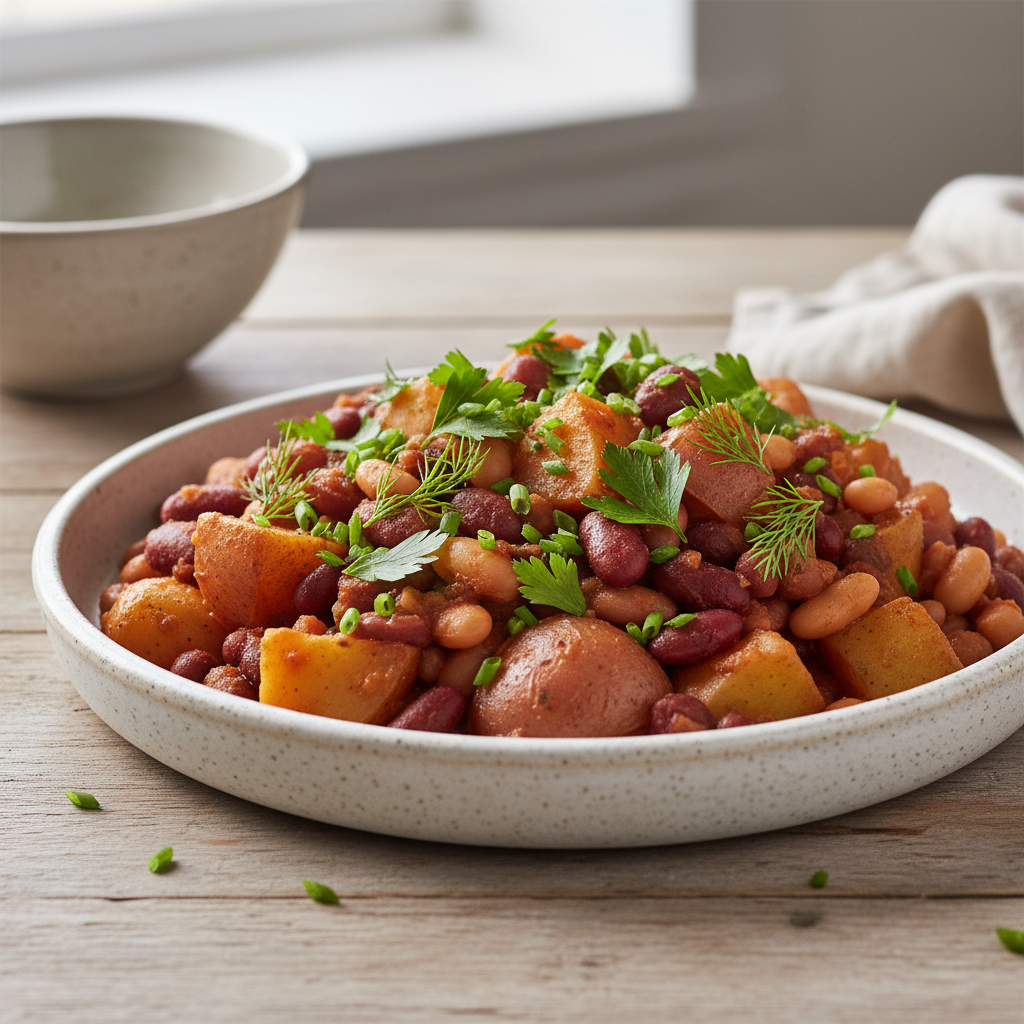
Maintaining good cholesterol levels is vital for overall optimal health. While good cholesterol (HDL) is helpful for the body, LDL can increase the risk of different ailments. There are diverse meals that help lower harmful cholesterol (LDL) levels. By reducing the amounts of bad cholesterol, these meals help lessen the chance of developing cardiovascular problems. These foods include mackerel, oats, walnuts, olive oil, avocados, citrus fruits, and legumes.