


This is the ultimate vitamin cheat sheet.

This is a guide to the colorful world of vitamins and how important they are for our health. If you want to improve your health, learning the basics of vitamins can help you a lot, no matter how much you know about health already. In this in-depth look, we go into great detail on the important roles and natural sources of vitamins, from Vitamin A to K, and talk about how they help our bodies work at their best.
1. Learning about your vitamins
Important Functions
Vitamins are more than just things we eat; they help our bodies stay healthy and protect them. Each vitamin has a specific and important job, like strengthening the immune system or making sure that cellular processes work properly. Vitamin D is very important for the health of bones and the absorption of calcium. Vitamin C, on the other hand, is a strong antioxidant that helps repair tissue and make particular neurotransmitters through enzymes.
Natural and man-made sources
It is important to know the difference between natural and manufactured sources when it comes to getting these important nutrients. Whole foods including fruits, vegetables, grains, meats, and dairy are where natural vitamins come from. These sources give the body a wide range of nutrients that work together to help it use each vitamin more effectively.
Synthetic vitamins, on the other hand, are made in labs and try to work in the same way as natural vitamins do in the body. They can be helpful in certain situations, especially when someone is lacking something, but they might not have all the extra trace elements and cofactors that natural sources have that are good for health. Anyone who wants to make smart choices regarding their food and supplements needs to know this difference.
2. A to K Vitamin Cheat Sheet
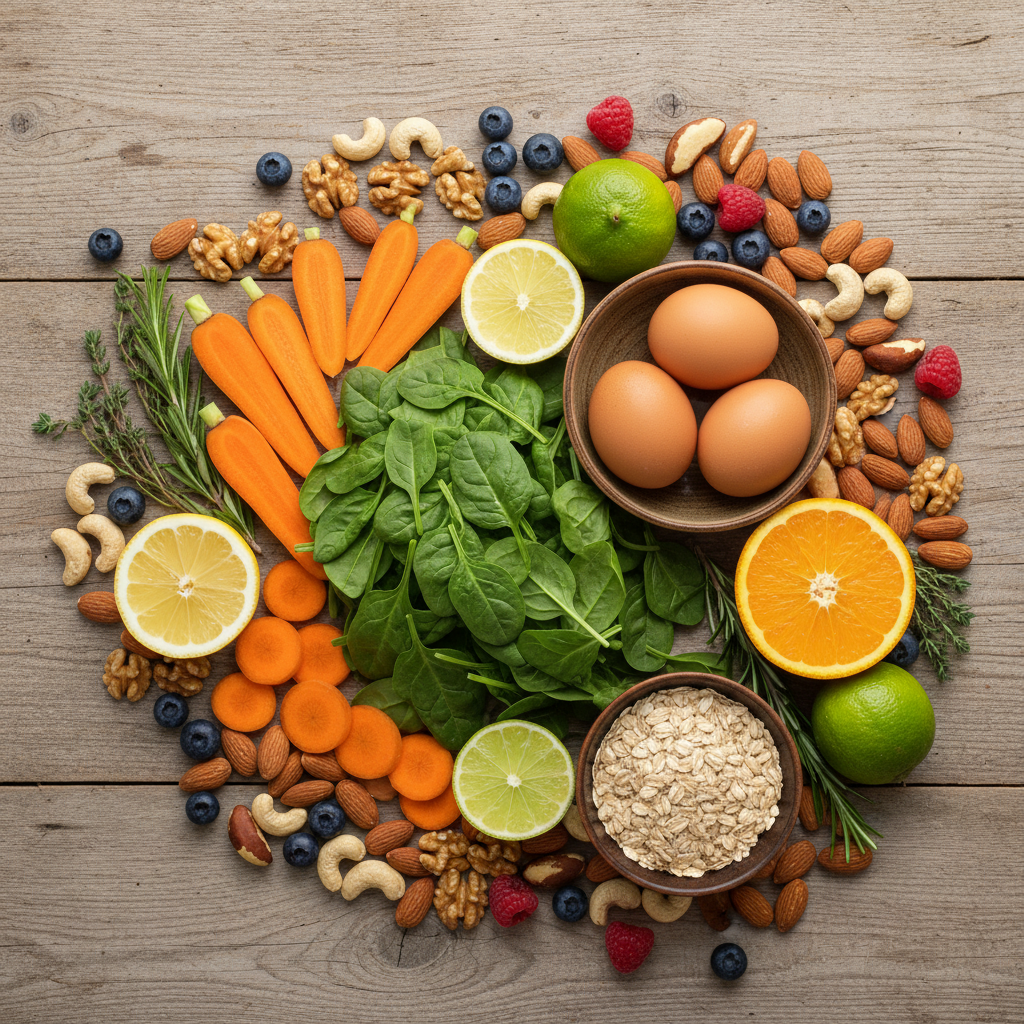
- Retinol (Vitamin A)
Function: Necessary for good vision, a healthy immune system, and healthy skin.
Sources: carrots, sweet potatoes, spinach, and dairy products. - Thiamine (Vitamin B1)
Function: Very important for the metabolism of energy and the function of nerves.
Whole grains, pork, seeds, and nuts are among examples. - Vitamin B2 (Riboflavin)
Function: Important for making energy, keeping cells working, and breaking down lipids.
Eggs, lean meats, milk, and green vegetables are all good sources. - Niacin (Vitamin B3)
Function: It helps turn food into energy, which is important for the health of the skin, nervous system, and digestive system.
Sources include nuts, beans, poultry, beef, and seafood. - Pantothenic Acid (Vitamin B5)
Function: Necessary for making hormones, cholesterol, and neurotransmitters.
Avocados, yogurt, eggs, meats, and whole grains are all good sources. - Pyridoxine (Vitamin B6)
Function: Important for making proteins, making red blood cells, and keeping the brain healthy.
Sources: chicken, turkey, tuna, bananas, and potatoes. - Biotin (Vitamin B7)
Function: Helps break down fats, carbs, and proteins, and is crucial for hair, skin, and nails.
Sources include eggs, almonds, spinach, and sweet potatoes. - Folate (Vitamin B9)
Function: Necessary for cell division, which is very important for fetal development during pregnancy.
Sources: liver, seeds, legumes, and leafy greens. - Cobalamin (Vitamin B12)
Function: Needed for making red blood cells, brain functioning, and DNA.
Sources: Fish, meat, dairy, and cereals that have been fortified. - Ascorbic acid (vitamin C)
Function: An antioxidant that protects cells, maintains healthy skin, teeth, and bones, and helps the body absorb iron better.
Sources: strawberries, citrus fruits, bell peppers, and broccoli. - Vitamin D
Function: Helps the body absorb calcium, which is important for bone health, and boosts the immune system.
Sunshine, fortified dairy products, and fatty fish like salmon and mackerel are all good sources. - Vitamin E
Function: It preserves cell membranes, acts as an antioxidant, and helps the immune system.
Sources include green leafy vegetables, nuts, seeds, and vegetable oils. - Vitamin K
Function: Important for bone metabolism and blood clotting.
Green leafy vegetables, broccoli, and Brussels sprouts are some of the best sources.
3. Important Nutrients Other Than Vitamins
- Fatty Acids Omega-3
Function: Important for brain health, lowering inflammation, and heart health.
Sources: Walnuts, flaxseeds, chia seeds, and fatty fish including salmon, mackerel, and sardines. - Magnesium
Function: Important for more than 300 metabolic reactions in the body, such as controlling blood sugar, making energy, and moving muscles and nerves.
Sources include whole grains, nuts, seeds, leafy green vegetables, and legumes. - Probiotics: Good bacteria that help the immune system and keep the digestive tract healthy.
Yogurt, kefir, sauerkraut, tempeh, and other fermented foods are among examples. - Zinc: Helps the immune system, heals wounds, makes DNA, and divides cells.
Meat, shellfish, beans, seeds, and nuts are all good sources. - Fiber
Function: Helps with digestion, keeps blood sugar levels in check, and lowers cholesterol to improve heart health.
Whole grains, beans, lentils, berries, and veggies are all good sources. - Iron’s job is to make hemoglobin, which delivers oxygen in the blood.
Red meat, poultry, shellfish, beans, dark leafy greens, and cereals that have been fortified with iron are also good sources. - Calcium: This mineral is important for the health of bones and is also needed for the heart, muscles, and nerves to work properly.
Dairy products, fortified plant milks, kale, broccoli, and almonds are all good sources.
4. Essential Nutrients for Your Well-Being

- Sleep Support
Eating well has a big impact on how well you sleep. Nutrients like magnesium and melatonin play direct roles in relaxing the body and regulating sleep cycles. Foods rich in tryptophan, such as turkey and milk, can also cause tiredness. Conversely, excessive caffeine and sugar intake can alter sleep patterns, underscoring the necessity of dietary balance. - Energy Boost
For sustained energy levels throughout the day, a combination of complex carbs, proteins, and healthy fats is needed. Foods like whole grains, lean proteins, and nuts provide the required fuel without the rapid spikes and decreases in blood sugar that are prevalent with high-sugar snacks. B vitamins, notably B12, are necessary for energy synthesis at a cellular level. - Stress Management
Certain nutrients, including omega-3 fatty acids, vitamin C, and magnesium, can help manage and alleviate the physiological repercussions of stress. For instance, omega-3s prevent inflammation linked with chronic stress, while magnesium has natural soothing qualities. Adopting a diet that includes a range of these nutrients can help maintain a better reaction to stress. - Weight Loss
Effective weight management is supported by a diet rich in fiber, protein, and healthy fats, which can help control appetite and lower overall calorie intake. Foods like leafy greens, lean meats, and beans not only give nutritional benefits but also help keep you satiated for longer, resulting in weight loss. However, it’s crucial to approach weight loss with a balanced diet to avoid nutritional deficits and for long-term success. - Joint Health
Nutrients necessary for joint health include omega-3 fatty acids, which can lower inflammation, and vitamins C and K, which are important for supporting cartilage and bone health. Eating foods like fatty fish, citrus fruits, and green leafy vegetables will help keep your joints working well and ease the symptoms of joint problems like arthritis. - How to avoid UTIs
Maintaining urinary tract health can be considerably helped by regular water and particular nutrients. Cranberries are well-known for preventing UTIs as they contain chemicals that hinder germs from attaching to the urinary tract walls. Additionally, ingesting foods rich in vitamin C can acidify urine, producing an unfavorable environment for UTI-causing bacteria. Remember, while these dietary modifications can help avoid UTIs, they are not a substitute for medical care in the case of an infection.
5. Symptoms of Deficiency
Recognizing Deficiencies
Nutrient deficiencies can appear in a range of subtle and overt symptoms, depending on the nutrient in question. Some frequent indicators include:
- Fatigue and Weakness: Often connected to insufficient iron, vitamin D, or B vitamins.
- Skin and Hair Problems: Dry skin, hair loss, and rashes can suggest deficits in vitamins A, D, zinc, or biotin.
- Bone and Joint Pain: Can be associated to deficits in vitamin D, calcium, and magnesium.
- Poor Immunity: Frequent infections may be caused by insufficient amounts of vitamins A, C, and zinc.
- Mood Changes: Deficiencies in B vitamins and omega-3 fatty acids can affect mental health, leading to symptoms like despair and anxiety.
Importance of Early Detection
Identifying and correcting nutritional deficiencies early helps avoid the progression of symptoms and associated health concerns. Regular health check-ups and being sensitive to changes in your body are key stages in early detection. Nutritional deficits can complicate other health concerns, making them harder to manage if left uncontrolled.
Impact on Overall Health
Long-term dietary shortages can lead to significant health difficulties, including chronic diseases, reduced bone health, and decreased brain function. For instance, continuous lack of vitamin D and calcium can lead to osteoporosis, while low vitamin B12 levels might cause lasting nerve damage. Ensuring a balanced diet rich in important nutrients is key to preventing adverse effects and sustaining overall health.
7. Considerations for Supplements
Healthcare Consultation
To ensure you don’t overdo it with supplements, the most prudent way is to first have bloodwork to analyze your existing vitamin levels. This examination helps uncover any specific shortfalls or excesses, allowing you to adapt your supplement intake specifically to your body’s needs. Following this, it’s crucial to discuss the results with your healthcare provider. They can provide expert advise on the types and amounts of supplements that are most useful for you, and help you understand any potential problems with your existing health conditions or prescriptions.
Risks and Benefits
Supplements can provide considerable benefits, such as covering dietary gaps and improving overall health, especially in persons with vitamin shortages or specific health issues. However, there are hazards associated, including dangerous overdosing, harmful interactions with drugs, and side effects. For example, excessive ingestion of fat-soluble vitamins might lead to toxicity. Understanding these risks and advantages is vital for proper supplement use.
Choosing Wisely…
When selecting supplements, consider the following:
- Quality and Purity: Opt for brands that have been independently tested and validated for quality and purity by organizations like USP (United States Pharmacopeia) or NSF International.
- data-Based: Choose supplements supported by scientific data. Be skeptical of products boasting amazing outcomes.
- Appropriate Dosage: Follow dose recommendations supplied by healthcare specialists and avoid exceeding the indicated levels unless otherwise instructed.
It’s also crucial to frequently reevaluate your supplement needs, as dietary requirements may change over time due to age, lifestyle, health status, and other variables.
Final Words of Wisdom…

Navigating the world of vitamins and nutrients can seem confusing, but it’s all about what works best for you. Remember, good health is individualized and evolves with your life’s rhythms. Stay curious and informed about your dietary needs, and you’ll be able to make the greatest decisions for your body.
And don’t forget—eating well is just one part of keeping healthy. Round up your wellness routine with regular exercise, enough of water, decent sleep, and some stress-busting hobbies. It’s all about balance to keep you feeling your best.
More help:
- GLOW UP: A GUIDE TO A HEALTHY MAKEOVER
- THE POWERFUL BENEFITS OF MINDFUL SUN EXPOSURE
- 16 BACK TO WELLNESS IDEAS
- Taking care of yourself on a budget
Save for later
Found this guide useful? Bookmark this image on Pinterest to guarantee you always have access to these insights!
Questions that are often asked
- What are the major benefits of vitamins?
- Vitamins perform vital roles in different biological functions, such as immune system support, energy production, and cell repair. They also assist maintain healthy skin, eyes, and bones.
- How may I identify symptoms of vitamin deficiency?
- Common indicators of vitamin insufficiency include weariness, weakness, hair loss, delayed wound healing, and frequent infections. Consulting a healthcare provider for correct diagnosis is recommended.
- Are supplements necessary if I have a balanced diet?
- While a healthy diet should offer most vital nutrients, certain individuals may benefit from supplements due to variables including age, dietary restrictions, or certain health concerns. Consult a healthcare expert for specific guidance.
- How can I boost the absorption of vitamins from my diet?
- Consuming vitamins with sources of healthy fats like nuts or seeds can enhance absorption. Pairing vitamin-rich foods with those high in iron or vitamin C helps enhance nutrient intake.
- Should particular populations like pregnant women take additional vitamins?
- Pregnant women often require increased levels of particular vitamins like folic acid and iron to support embryonic development. Consulting a healthcare expert for specific guidance on prenatal vitamins is suggested.