


Why fiber is good for your health

What is fiber, and how does it help you?
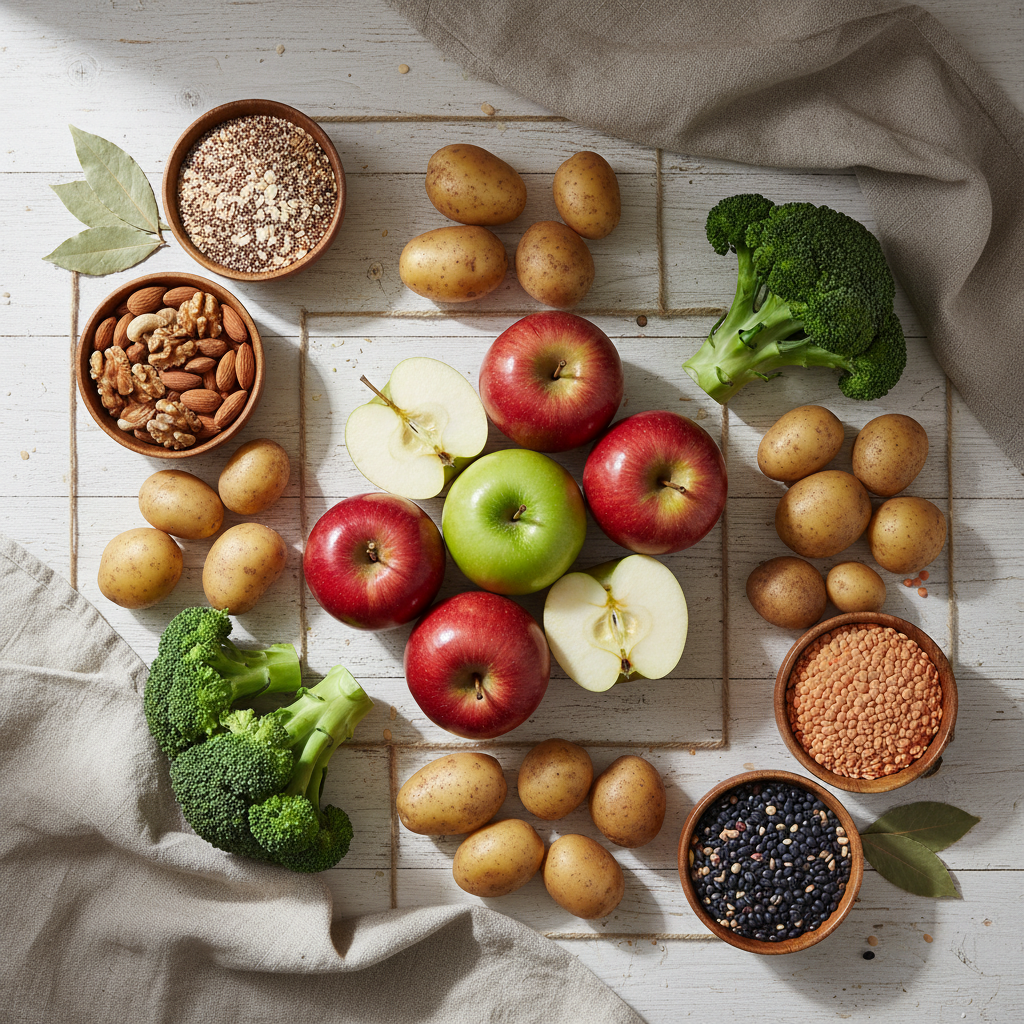
You may have heard a lot about fiber in the health sector, such on a nutrition facts label, on the front of a packaged item that says it’s a “good source of fiber,” or in the news. You might hear that you should eat more fiber a lot, but you might not know why.
We will talk about what fiber is, how it helps your body, and how to get more of it in your diet organically.
Fiber is a kind of complex carbohydrate that the body can’t break down. Complex carbs are bigger molecules than simple carbs, therefore it takes longer for the body to digest and absorb them. They are also a better choice for your health because they provide more nutrients than simple carbs (learn more about the difference in this post).
There are two kinds of fiber: soluble and insoluble.There are considerable differences between the two varieties, yet both are important for good health. When you eat soluble fibers, they dissolve in water and turn into a gel in your body. Insoluble fibers don’t disintegrate and largely stay whole as they move through the digestive tract.
Here are a few of the many critical things that fiber does for your body:
Helps keep your gut healthy
A healthy digestive tract needs fiber. It feeds the probiotics in your stomach and keeps the balance of good and bad bacteria where it should be.Getting adequate fiber can help you avoid and deal with diarrhea and constipation, as well as many other digestive problems. This page will tell you more about prebiotics.
Helps Get Rid of Waste in the Body
Fiber makes your stool bigger and helps you have bowel motions more often and easier. Having more bowel movements can help avoid waste, including toxins, from building up in your body and perhaps hurting you. This is because waste is evacuated from your body through bowel movements.
Helps Control Blood Sugar
Fiber is a type of carbohydrate that raises your blood sugar. However, it helps slow down the blood sugar reaction instead of speeding it up. So, even if you eat two meals with the same number of carbs, the one with more fiber won’t boost your blood sugar as much. This is vital for stopping and controlling diseases like diabetes. But having blood sugar levels that are too high or too low can also lead to additional problems, such as kidney and heart disease, nerve damage, eyesight loss, and problems with getting pregnant. So this is something everyone has to know.
Helps lower cholesterol and keep blood pressure in check
Fiber is a substance that is really good for your heart. Soluble fiber sticks to cholesterol and helps decrease blood pressure. Eating extra fiber might lessen your risk of having heart problems.
Helps Keep Your Immune System Strong
Fiber nourishes and helps the bacteria in your digestive tract, which are called your microbiome. A healthy and balanced microbiome helps keep the body safe from germs and helps the immune system work normally. You can find out more about the microbiome here.
Lowers the chance of getting a lot of diseases, even some kinds of cancer.
A comprehensive evaluation of hundreds of studies and data shows that persons who eat the most fiber had a 15–30% decreased chance of dying from any cause. Fiber also helps protect against type 2 diabetes, heart disease, and breast and colorectal cancers.
Helps you control your appetite and keep your weight in check
Foods that are higher in fiber make you feel full for longer.This can help you lose weight and keep it off by helping you eat less while yet feeling full.
Could Help Your Mood
Eating a lot of fiber may lower your chances of depressive symptoms and may also help with other mood problems.
How Much Fiber Do You Need?
Here are the right amounts of fiber to eat:
- Kids:
19 grams per day for kids 1 to 3 years old
25 grams a day for kids ages 4 to 8
26 to 38 grams a day for people 9 to 19 years old - Men who are adults:
38 grams a day for people under 50
30 grams a day for people over 50 - Women above the age of 18:
25 grams a day for people under 50
21 grams a day for people over 50
Sadly, the average American only eats about 15 grams of fiber a day, and only about 5% of people get enough fiber in their diet. This is mostly because they eat a lot of processed meals and not enough fruits and vegetables.
Best High-Fiber Foods to Eat More Fiber

Increasing your fiber intake can be easy and tasty, thank goodness. A lot of foods have a lot of fiber. A good rule of thumb is that the more natural a food is, the more fiber it will have. Also, all plant-based foods have fiber, whereas animal-based foods don’t.
Here are some of the finest places to get fiber:
- Vegetables and fruits
This contains all kinds of fruits and vegetables, such apples, potatoes, and broccoli. Eating the skin of fruits and vegetables, such pears, apples, and potatoes, can provide you even more fiber. - All Grains
Oats, whole wheat products, barley, quinoa, brown rice, farro, and other foods are all great sources of fiber. - Seeds and Nuts
Almonds, walnuts, pecans, cashews, pumpkin seeds, chia seeds, and flax seeds are among examples. - Legumes and beans
All kinds of beans and lentils are included in this.
Four Simple Steps to Get More Fiber
- Replace regular products with whole grains
Start buying whole wheat foods like breads, tortillas, and pasta. Pick brown rice instead of white rice, and make sure to eat other whole grains like oats, barley, and quinoa on a regular basis. - Concentrate on proteins from plants
Beans, edamame, lentils, tofu, and tempeh are all good sources. You can eat bean-based pastas, add them to casseroles like this one, soups like this one, or salads like this Thai-inspired salad. - Be Kind to Nuts
Nuts are really good for your health if you don’t have an allergy or intolerance to them. You can eat nut butters in a lot of different ways. For example, you may make almond butter biscuit bars or peanut butter overnight oats. You can also sprinkle nuts over a salad like this or eat them in snacks like these nutty cranberry granola bars. - Eat More Fruits And Vegetables
There are other ways to eat more vegetables besides smoothies and salads. For example, this loaded sweet potato salad and this tropical smoothie bowls are both quite good. You may eat more fruit by adding a side of fruit to your meals or eating it as dessert, like this tasty cranberry-apple crumble. You can make a simple sheet pan supper with vegetables or transform them into pasta, like these baked feta zoodles.
Should You Take Fiber Supplements?
There is no proof that taking fiber supplements is bad for you, but you should not depend on them as your main supply. Eating foods high in fiber has a lot of other health benefits than the fiber itself. If you don’t eat a lot of them, you won’t get these benefits. You should exercise your best judgment and consult to your doctor before taking any fiber supplements, even though there are some situations where they can be helpful and necessary.

To sum up
Fiber is really important for your health, and getting enough of it doesn’t have to be hard. Eating a variety of plants every day is the best way to acquire most of your fiber. This can help you look and feel better. Enjoy your meal!